
Introduction
You finally crawl into bed after a long day, the room gets quiet, and suddenly your stomach sounds like a washing machine. If you’ve ever wondered why does my stomach make so much noise when i lay down, you’re definitely not alone. Those unexpected gurgles, pops, and rumbling noises can feel embarrassing, distracting, and sometimes even worrying.
In many cases, these sounds are completely normal. Your digestive system stays active even when you’re resting, and lying down can make certain stomach noises seem louder and more noticeable. Still, constant or unusually loud noises may leave you wondering whether something more serious is going on.
Understanding what causes these sounds can help you feel less anxious and more in control of your digestive health. From harmless digestion and trapped gas to food sensitivities and stress, there are several reasons your stomach becomes noisier at night.

What Causes Stomach Noises?
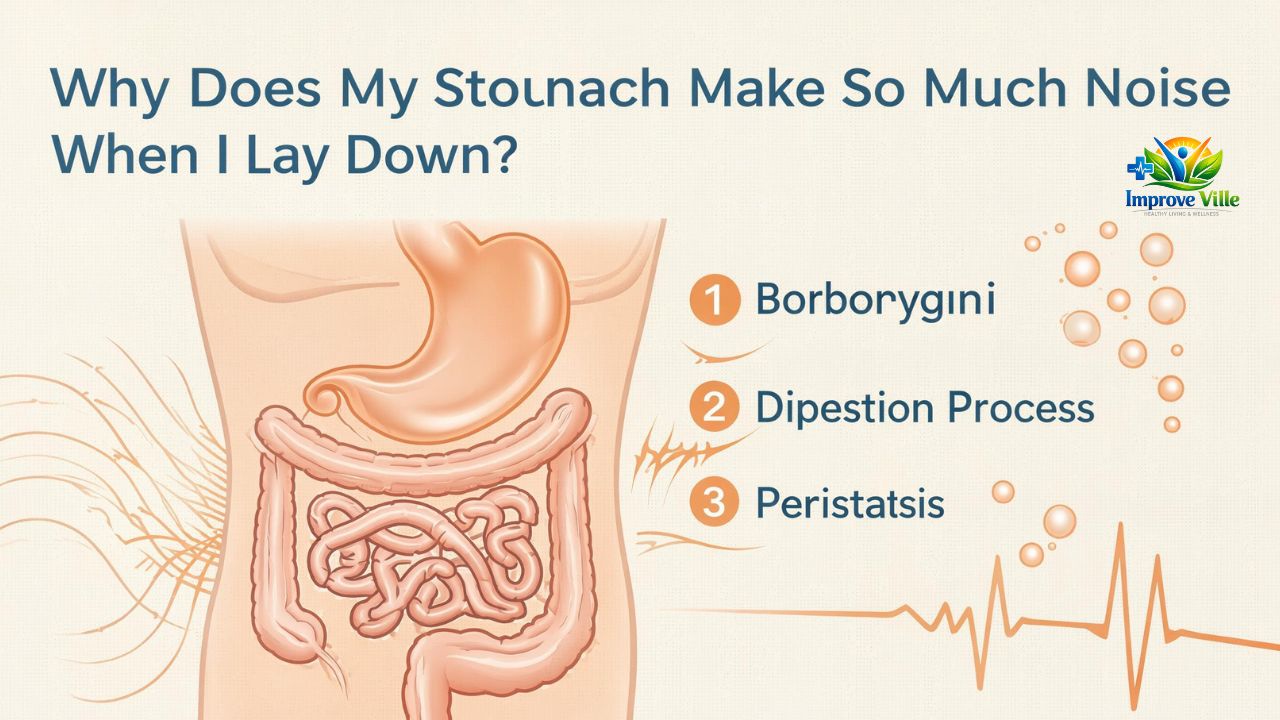
Stomach noises, medically known as borborygmi, happen when gas, liquids, and food move through the digestive tract. These sounds can come from the stomach, small intestine, or colon.
Your digestive system relies on rhythmic muscle contractions called peristalsis. These contractions push food and fluids through your intestines. As this movement happens, air and liquid shift around, creating the familiar rumbling or growling sounds.
Most of the time, stomach noises are harmless. In fact, a completely silent digestive system would actually be unusual. Your gut is almost always moving, processing food, and balancing bacteria.
Why Noises Seem Louder at Night
Many people notice stomach sounds more when lying in bed because nighttime environments are quieter. During the day, conversations, traffic, TVs, and other background sounds drown out minor digestive noises.
At night, however, the silence makes every small gurgle seem amplified. Lying flat can also change how gas and fluids move through the digestive tract, making sounds more noticeable.
The Role of Digestion While You Sleep
Digestion does not stop when you sleep. Your intestines continue breaking down food, absorbing nutrients, and moving waste through the colon.
If you ate a large dinner, spicy meal, or gas-producing foods before bedtime, your digestive system may become especially active during the night.

why does my stomach make so much noise when i lay down?
There are several possible explanations for loud stomach noises when lying down. Some are completely harmless, while others may point to digestive issues worth paying attention to.
Hunger and Empty Stomach Sounds
One of the most common reasons for stomach growling is hunger. When your stomach is empty, the brain signals the digestive system to prepare for food.
This process triggers muscle contractions that move leftover air and fluids through the digestive tract. Without food to muffle the movement, the sounds become louder and easier to hear.
If your stomach noises mainly happen late at night or early in the morning, hunger may be the simplest explanation.
Trapped Gas
Gas is another major cause of stomach noises. Swallowed air and gases produced during digestion can become trapped in the intestines.
When you lie down, gas may shift positions more easily, causing bubbling, popping, or rumbling sounds.
Common gas-producing foods include:
- Beans and lentils
- Broccoli and cabbage
- Carbonated drinks
- Dairy products
- Fried foods
- Artificial sweeteners
Some people naturally produce more gas than others due to differences in gut bacteria and digestion.
Overeating Before Bed
Eating large meals late at night forces your digestive system to work harder while you’re trying to rest.
Heavy meals rich in fat, sugar, or spice take longer to digest. This can increase stomach movement, acid production, and intestinal activity.
People who snack close to bedtime often notice more stomach noises because digestion remains highly active while lying down.
Swallowing Too Much Air
Air enters the digestive system more often than most people realize. Eating quickly, chewing gum, drinking through straws, and talking while eating can all increase swallowed air.
That extra air eventually travels through the digestive tract, producing gurgling and rumbling noises.
Smoking and carbonated beverages may worsen the problem.
Digestive Conditions That Can Cause Loud Stomach Noises
Although stomach sounds are usually harmless, persistent or painful noises may sometimes be linked to digestive conditions.
Irritable Bowel Syndrome (IBS)
IBS is a common digestive disorder that affects how the intestines function. It often causes:
- Cramping
- Gas
- Bloating
- Diarrhea
- Constipation
- Increased stomach noises
People with IBS frequently notice symptoms worsening at night or after certain foods.
Stress and anxiety can also intensify IBS symptoms, including digestive sounds.
Food Intolerances
Food intolerances occur when the body struggles to digest specific foods properly.
Common examples include:
- Lactose intolerance
- Gluten sensitivity
- Fructose intolerance
Undigested food ferments in the intestines, producing excess gas and noise.
If your stomach noises regularly appear after eating certain foods, keeping a food diary may help identify triggers.

Acid Reflux and GERD
Acid reflux happens when stomach acid flows back into the esophagus. Some people experience more reflux symptoms while lying down.
GERD, or gastroesophageal reflux disease, can cause:
- Gurgling sounds
- Burning in the chest
- Sour taste in the mouth
- Bloating
- Burping
Lying flat makes it easier for stomach acid and gas to move upward.
Gastroenteritis
Stomach infections caused by viruses or bacteria may increase digestive noises significantly.
This often comes with symptoms such as:
- Diarrhea
- Nausea
- Vomiting
- Stomach cramps
- Fever
During infection, the intestines become irritated and hyperactive, creating louder sounds.
Small Intestinal Bacterial Overgrowth (SIBO)
SIBO occurs when excessive bacteria grow in the small intestine.
These bacteria ferment carbohydrates quickly, leading to:
- Gas
- Bloating
- Stomach rumbling
- Abdominal discomfort
Many people notice symptoms worsening after meals or at bedtime.
Why Lying Down Changes Digestion
Body position has a surprisingly strong effect on digestion.
Gravity and Food Movement
When standing or sitting upright, gravity helps food and gas move downward through the digestive system.
When you lie flat, digestion depends more heavily on muscle contractions alone.
This can slow certain digestive processes and allow gas pockets to shift around differently.
Increased Awareness of Internal Sounds
Another reason people ask why does my stomach make so much noise when i lay down is heightened body awareness.
At night, there are fewer distractions. Your mind becomes more tuned into internal sensations, including stomach activity.
What seemed invisible during the day suddenly becomes impossible to ignore.
Side Sleeping vs. Back Sleeping
Your sleeping position may influence digestive comfort.
Sleeping on the left side is often considered better for digestion because it may help stomach contents move more naturally.
Back sleeping can sometimes increase reflux or gas movement, making noises more noticeable.
Right-side sleeping affects digestion differently for each person.
Foods That Commonly Trigger Stomach Noises
Certain foods naturally increase digestive activity and gas production.
High-Fiber Foods
Fiber is essential for healthy digestion, but sudden increases can produce extra gas.
High-fiber foods include:
- Oats
- Beans
- Lentils
- Apples
- Whole grains
- Brussels sprouts
These foods feed beneficial gut bacteria, which create gas during fermentation.
Fatty and Fried Foods
Fatty meals digest more slowly and may cause bloating or stomach discomfort.
Common culprits include:
- Fast food
- Fried chicken
- Pizza
- Creamy sauces
- Processed snacks
Heavy meals close to bedtime are especially likely to create nighttime stomach noises.
Dairy Products
People with lactose intolerance may struggle to digest milk sugars.
This can lead to:
- Gurgling sounds
- Gas
- Diarrhea
- Bloating
Even mild lactose intolerance can become more noticeable when lying down quietly.
Carbonated Beverages
Soda, sparkling water, and energy drinks introduce extra gas into the digestive tract.
That trapped air may later create loud rumbling or bubbling sounds.
Stress and Anxiety Can Affect Your Gut
The digestive system and nervous system are closely connected.
When you feel stressed or anxious, your body releases hormones that can change digestive activity.
Some people experience:
- Faster digestion
- Increased stomach contractions
- More gas
- Greater sensitivity to stomach sensations
This explains why stomach noises often seem worse during stressful periods.
The Gut-Brain Connection
The digestive tract contains millions of nerve cells, sometimes called the “second brain.”
Emotional stress can directly influence digestion and gut movement.
Anxiety may also make you hyperaware of normal body sounds that would otherwise go unnoticed.
Stress-Related Eating Habits
Stress often changes eating behaviors too.
People may:
- Eat too quickly
- Overeat
- Skip meals
- Consume more caffeine
- Eat comfort foods high in fat or sugar
These habits can increase digestive noises significantly.
When Should You Worry About Stomach Noises?
Most stomach sounds are harmless. However, certain symptoms may indicate an underlying problem that deserves medical attention.
Warning Signs to Watch For
See a healthcare professional if stomach noises occur with:
- Severe pain
- Persistent diarrhea
- Vomiting
- Blood in stool
- Unexplained weight loss
- Fever
- Difficulty swallowing
- Chronic bloating
These symptoms could point to infections, inflammatory bowel disease, bowel obstruction, or other medical conditions.
Sudden Silence Can Also Be Concerning
Interestingly, a complete lack of bowel sounds can sometimes indicate a serious problem.
Doctors occasionally listen for bowel sounds with a stethoscope because intestinal activity provides clues about digestive health.
If severe pain occurs alongside absent bowel sounds, emergency evaluation may be needed.
Simple Ways to Reduce Stomach Noises at Night
If nighttime stomach rumbling bothers you, several lifestyle changes may help.
Avoid Large Late-Night Meals
Try eating dinner at least two to three hours before bedtime.
Smaller evening meals reduce digestive workload during sleep.
Eat More Slowly
Eating too fast increases swallowed air.
To improve digestion:
- Chew thoroughly
- Take smaller bites
- Avoid rushing meals
- Limit talking while chewing
These habits may reduce excess gas and noise.
Identify Trigger Foods
Tracking meals and symptoms can help uncover patterns.
You may notice stomach noises become worse after:
- Dairy
- Carbonated drinks
- Spicy foods
- Artificial sweeteners
- Fried foods
Eliminating triggers gradually may improve symptoms.
Stay Hydrated
Water supports healthy digestion and bowel movement.
However, drinking large amounts right before bed may increase nighttime discomfort in some people.
Try Gentle Movement After Dinner
Light activity can help digestion.
Good options include:
- Walking
- Gentle stretching
- Easy yoga
Even a short walk after meals may reduce gas buildup.
Can Probiotics Help?
Probiotics are beneficial bacteria that support gut health.
Some studies suggest probiotics may improve bloating, gas, and digestive comfort.
Foods naturally rich in probiotics include:
- Yogurt
- Kefir
- Kimchi
- Sauerkraut
- Miso
Not every probiotic works the same way for every person, though. Results vary depending on gut bacteria and digestive conditions.
Prebiotics Matter Too
Prebiotics feed healthy gut bacteria.
Sources include:
- Garlic
- Onions
- Bananas
- Oats
- Asparagus
A balanced gut microbiome may help regulate digestion and reduce excessive stomach activity.
The Connection Between Sleep and Digestion
Poor sleep and digestive issues often influence each other.
Lack of Sleep Can Worsen Digestion
Sleep deprivation may affect:
- Gut bacteria balance
- Hormones controlling hunger
- Acid production
- Stress levels
This can increase bloating, gas, and digestive discomfort.
Digestive Problems Can Disrupt Sleep
On the other hand, stomach noises and discomfort can make falling asleep harder.
People with reflux, IBS, or bloating may wake frequently during the night.
Improving sleep habits can support better digestion overall.
Myths About Stomach Growling
There are many misunderstandings about digestive sounds.
Myth: Stomach Growling Always Means Hunger
While hunger can trigger stomach sounds, digestion continues whether you’ve eaten or not.
Gas movement, intestinal contractions, and fluid shifts all create noise.
Myth: Loud Stomach Noises Mean Something Is Seriously Wrong
In most cases, loud digestive sounds are completely normal.
The absence of other symptoms is usually reassuring.
Myth: Only Certain People Get Noisy Stomachs
Everyone experiences digestive sounds.
Some people are simply more sensitive to noticing them.
Lifestyle Habits That Support Quiet Digestion
Long-term digestive health often comes down to consistent habits.
Maintain a Balanced Diet
Aim for meals containing:
- Lean proteins
- Fiber-rich vegetables
- Healthy fats
- Whole grains
- Plenty of water
Balanced nutrition supports smoother digestion.
Manage Stress Levels
Stress reduction techniques may improve gut function.
Helpful approaches include:
- Meditation
- Deep breathing
- Exercise
- Journaling
- Therapy
Reducing anxiety may also make stomach noises feel less intrusive.
Keep Regular Meal Times
Eating at predictable times can help regulate digestive rhythms.
Skipping meals sometimes increases stomach contractions and growling.
Avoid Lying Down Immediately After Eating
Giving your body time to digest before bed may reduce nighttime symptoms.
Many experts recommend staying upright for at least two hours after meals.
FAQ
Why is my stomach louder when I lie down at night?
Stomach noises often seem louder at night because the environment is quieter. Lying down also changes how gas and fluids move through the digestive tract.
Can stress make stomach noises worse?
Yes. Stress and anxiety can increase digestive activity, gas production, and awareness of internal body sensations.
Are loud stomach noises a sign of poor digestion?
Not necessarily. Most stomach sounds are normal digestive activity. However, severe symptoms like pain or diarrhea may require medical evaluation.
What foods commonly cause stomach noises?
Beans, dairy products, carbonated drinks, fried foods, and high-fiber vegetables commonly increase gas and digestive sounds.
Does drinking water help reduce stomach growling?
Water supports healthy digestion and may reduce some digestive discomfort. However, excessive fluid intake right before bed may increase fullness and noise in certain people.
Should I worry if my stomach makes noises every night?
Occasional stomach noises are usually harmless. If they become painful, persistent, or associated with other symptoms, consult a doctor.
Can probiotics reduce stomach noises?
Some people find probiotics helpful for bloating and gas. Results vary depending on the individual and underlying digestive health.
Why does my stomach make noises even after eating?
Digestion continues for hours after meals. Food movement, gas, and muscle contractions can all create stomach sounds.
Conclusion
Hearing your stomach rumble when the room gets quiet can feel strange, but in most cases, it’s simply a sign that your digestive system is doing its job. If you’ve been asking yourself why does my stomach make so much noise when i lay down, the answer is often linked to normal digestion, gas movement, hunger, eating habits, or body position.
Paying attention to food triggers, stress levels, meal timing, and sleep habits can make a noticeable difference. Most importantly, stomach noises alone are rarely a cause for concern unless they appear alongside more serious symptoms.
A healthy digestive system is naturally active, even while you sleep. Sometimes, your stomach is simply a little louder about it than usual.