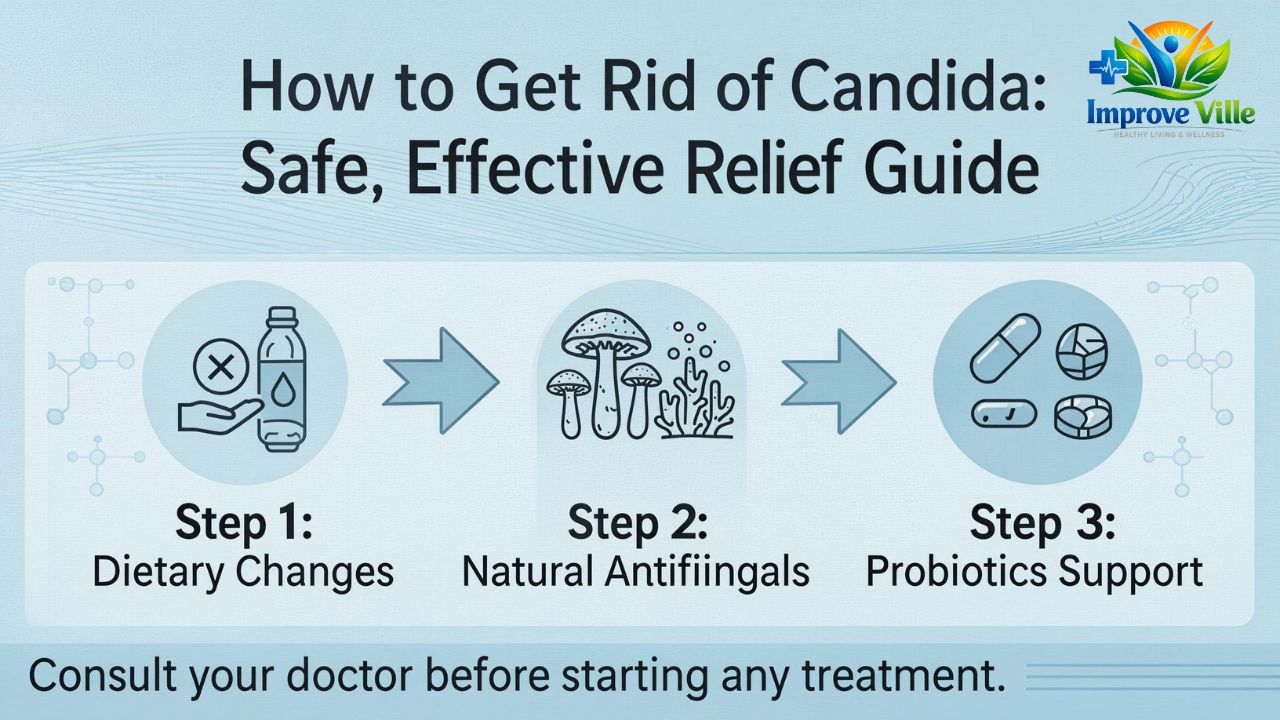

Introduction
Candida can feel confusing because it is not always obvious where the problem starts. If you are searching for how to get rid of candida, you are probably dealing with itching, burning, white patches, digestive discomfort, a stubborn rash, or recurring symptoms that keep interrupting normal life.
The tricky part is that Candida is not always “bad.” It is a yeast that can live naturally on the skin, in the mouth, in the gut, and in the vagina. Trouble begins when the balance shifts and it grows too much, leading to an infection called candidiasis.
That is why the smartest approach is not panic, extreme diets, or random supplements. It is understanding where Candida is showing up, why it may be happening, and which treatments actually help. Once you know that, the path forward becomes much less overwhelming.
This guide walks through symptoms, causes, treatment options, food choices, prevention habits, and red flags that mean it is time to get medical care. The goal is simple: practical relief without fear, shame, or guesswork. By the end, you will understand how to get rid of candida without falling for scary claims.
What Is Candida?
Candida is a type of yeast, and several Candida species can live in and on the human body. The best-known one is Candida albicans, which is commonly linked with yeast infections. In small amounts, Candida can be part of the body’s normal mix of microbes.
A Candida problem happens when yeast grows beyond its usual level or invades tissue where it causes irritation and inflammation. This can happen in warm, moist areas like skin folds, the mouth, the vagina, under the breasts, around dentures, or in the groin. In people who are very ill or have weakened immune systems, Candida can also cause serious invasive infections, but that is very different from common thrush or a routine yeast infection.
Candida Overgrowth vs. Candidiasis
“Candida overgrowth” is a phrase people often use online, but medically, the clearer term is candidiasis. Candidiasis means Candida has caused an infection. It may be oral, genital, skin-related, or invasive.
This distinction matters because fatigue, bloating, brain fog, or sugar cravings alone do not automatically prove Candida is the cause. Many conditions can create those symptoms. A careful diagnosis prevents wasted time and helps you choose treatment that fits the actual problem.
Common Signs You May Have a Candida Infection
Candida symptoms depend on the body area involved. A mouth infection does not look the same as a vaginal yeast infection, and a skin-fold rash can be mistaken for eczema, irritation, or bacterial infection.
Common signs include:
- White patches on the tongue, inner cheeks, gums, or throat
- Redness, soreness, or a cottony feeling in the mouth
- Vaginal itching, burning, redness, swelling, or thick white discharge
- Burning during urination or sex when vaginal tissue is irritated
- Red, itchy, moist rash in skin folds
- Cracking at the corners of the mouth
- Nail changes when Candida affects the nail area
- Symptoms that return after antibiotics or during periods of high blood sugar
[Infographic: “Where Candida Can Show Up” with sections for mouth, skin folds, vagina, nails, and high-risk invasive infection warning signs.]
Symptoms alone can guide suspicion, but they do not always confirm the diagnosis. For example, bacterial vaginosis, sexually transmitted infections, dermatitis, oral irritation, and allergic reactions can mimic yeast. If this is your first episode, symptoms are severe, you are pregnant, or infections keep coming back, it is worth getting checked.
What Causes Candida to Grow Out of Balance?
Candida usually grows when the local environment changes in its favor. The trigger can be different for each person, which is why the same treatment or prevention plan does not work for everyone.
Common factors include antibiotics, uncontrolled diabetes, hormonal changes, pregnancy, immune suppression, dentures, inhaled corticosteroids, tight damp clothing, friction in skin folds, and irritation from scented products. Antibiotics are a classic trigger because they can reduce protective bacteria that normally help keep yeast in check.
Antibiotics and Microbial Balance
Antibiotics can be necessary and even lifesaving, so the point is not to avoid them when they are needed. The issue is that they can disrupt the balance of bacteria and yeast, especially in the vagina, mouth, and gut.
If you often get yeast infections after antibiotics, talk with a clinician before the next course. They may suggest preventive steps, confirm that yeast is really the issue, or consider whether another factor is making recurrence more likely.
Blood Sugar and Diabetes
High blood sugar can create a friendlier environment for yeast. People with diabetes, especially when blood sugar is not well controlled, may be more prone to Candida infections.
For recurring yeast infections, checking blood sugar status can be a smart move. Better glucose control may reduce the frequency of infections and improve healing, especially for skin and genital symptoms.
Moisture, Friction, and Skin Folds
Candida loves warm, moist places. Skin folds under the breasts, belly, groin, armpits, and between toes can become irritated when sweat and friction build up.
Keeping these areas clean and dry can help, but harsh scrubbing can make things worse. Gentle washing, careful drying, breathable fabrics, and changing out of sweaty clothes promptly are often more helpful than aggressive hygiene routines.
How to Get Rid of Candida Safely
The safest way to approach how to get rid of candida is to match the treatment to the location and severity of the infection. Candida is not treated the same way everywhere in the body.
Most common Candida infections are treated with antifungal medicines. These may be creams, ointments, oral gels, lozenges, vaginal suppositories, tablets, capsules, or, in severe infections, IV medications. The right option depends on whether the infection is in the mouth, vagina, skin, nails, or bloodstream.
Start With the Right Diagnosis
The first step in how to get rid of candida is confirming that Candida is truly the problem.
Before treating, ask one important question: “Am I sure this is Candida?” If you have had the same diagnosed yeast infection before and the symptoms are identical, a pharmacist or clinician may guide you toward an over-the-counter antifungal. But guessing can backfire.
You should seek medical advice if symptoms are new, severe, unusual, painful, recurrent, or not improving. You should also get checked if you are pregnant, immunocompromised, have diabetes, have fever, have pelvic pain, have sores, or notice a strong odor or unusual discharge.
Use Antifungal Treatment as Directed
Antifungal medicines work best when used for the full recommended course. Stopping early because symptoms improve can allow the infection to linger or return.
For vaginal yeast infections, short-course antifungal treatment often lasts a few days, though some cases need longer therapy. Oral thrush may require gels, liquids, or lozenges used inside the mouth for one to two weeks. Skin infections may need topical antifungal creams plus moisture control.
Avoid using leftover medication, mixing multiple treatments without guidance, or repeatedly self-treating. If symptoms come back often, the answer may not be “stronger products”; it may be a better diagnosis, longer maintenance therapy, or checking for an underlying trigger.
Know When Recurrence Needs a Different Plan
Recurrent Candida infections deserve more attention. Having repeated episodes can mean the yeast species is less responsive to common medicines, the original diagnosis was incomplete, or a risk factor is still present.
For recurrent vaginal yeast infections, clinicians may confirm the diagnosis with testing and sometimes prescribe a longer induction treatment followed by maintenance antifungal therapy. This should be supervised, because antifungals can interact with other medications and may not be suitable for everyone.
How to Get Rid of Candida in the Mouth
Oral Candida, often called thrush, can cause creamy white patches, redness, soreness, loss of taste, cracks at the mouth corners, or discomfort when eating. It can happen after antibiotics, with dry mouth, with dentures, with inhaled steroid use, or when the immune system is weakened.
Treatment usually involves antifungal medicine applied inside the mouth or taken by mouth. Good oral hygiene also matters. Brush gently, clean dentures daily, remove dentures at night if advised, and rinse your mouth after using a steroid inhaler.
Helpful Oral Care Habits
Simple oral care can support treatment:
- Replace your toothbrush after treatment begins or once symptoms improve
- Clean dentures thoroughly and make sure they fit well
- Avoid smoking, which can irritate the mouth
- Rinse after inhaled steroid medication
- Keep dental checkups current
- Avoid mouthwashes that burn or dry the mouth unless recommended
Do not scrape white patches aggressively. That can irritate tissue and make soreness worse. If patches bleed, spread, or make swallowing painful, get medical care promptly.
How to Get Rid of Candida on Skin
Skin Candida often appears as a red, itchy, sometimes shiny rash in moist areas. There may be small satellite spots around the main rash. It commonly affects skin folds, the groin, under the breasts, the belly fold, or the diaper area in babies.
Treatment usually combines topical antifungal medicine with moisture control. The cream helps reduce yeast, while dryness and airflow make the area less inviting for regrowth.
Skin Care Steps That Help
Wash the area gently, dry it carefully, and use antifungal cream as directed. Wear loose, breathable fabrics when possible. Change out of wet swimwear or sweaty workout clothes quickly. For areas with frequent moisture, a clinician may recommend drying powders or barrier products.
Avoid steroid creams unless a healthcare professional tells you to use them. Steroids can reduce redness temporarily but may worsen fungal infections or hide the problem.
How to Get Rid of Candida Vaginally
Vaginal yeast infections are common and often cause itching, burning, redness, swelling, and thick white discharge. Still, not every vaginal symptom is yeast. Odor, pelvic pain, bleeding, sores, or greenish discharge point toward other causes and should be evaluated.
Treatment may include antifungal creams, suppositories, or oral medication. Some options are available over the counter, but first-time symptoms should be diagnosed before self-treatment.
What Not to Put in the Vagina
The vagina is sensitive and largely self-cleaning. Avoid douching, scented washes, perfumed sprays, harsh soaps, and unverified home remedies. These can irritate tissue, disrupt pH, and make symptoms worse.
Boric acid is sometimes used medically for specific recurrent or resistant infections, but it is not a casual home remedy. It can be dangerous if swallowed and should be used only with proper guidance.
Does Diet Help Candida?
Food choices can support overall health, blood sugar balance, immune function, and gut microbial diversity. That does not mean diet alone reliably cures a Candida infection.
A balanced approach is more useful than a punishing “cleanse.” Focus on steady meals with protein, vegetables, high-fiber carbohydrates, healthy fats, and fermented foods if you tolerate them. Reducing excess added sugar may help blood sugar control, which can matter for people prone to yeast infections.
A Practical Candida-Friendly Plate
A sensible meal pattern might include:
- Non-starchy vegetables such as leafy greens, broccoli, peppers, zucchini, and cucumbers
- Protein such as eggs, fish, chicken, tofu, lentils, beans, or Greek yogurt
- High-fiber carbohydrates such as oats, quinoa, brown rice, beans, or sweet potatoes
- Healthy fats such as olive oil, avocado, nuts, and seeds
- Fermented foods such as yogurt with live cultures, kefir, sauerkraut, or kimchi, if tolerated
The goal is not to starve your body. Overly restrictive diets can leave you low in fiber, calories, and nutrients. If symptoms improve when you change your diet, great—but if they persist, do not delay medical treatment.
Do Probiotics Help?
Probiotics may help support microbial balance, especially strains from the Lactobacillus family, but they should not be treated as a guaranteed cure. Research is promising in some areas, particularly as an add-on for recurrent vaginal yeast infections, but results vary by strain, dose, product quality, and individual health.
If you want to try probiotics, choose reputable products, follow storage instructions, and give them time. Food sources like yogurt or kefir may be a gentle place to start. People with severely weakened immune systems should ask a clinician before taking probiotic supplements.
Supplements: Be Careful With Big Promises
The Candida supplement market is full of dramatic claims. Be cautious with products that promise to “detox yeast,” cure every symptom, or replace antifungal medication.
Some supplements can interact with medications, irritate the gut, affect the liver, or be unsafe during pregnancy. Natural does not always mean harmless. When symptoms are persistent, testing and targeted treatment are more reliable than stacking pills.
Daily Habits That Help Prevent Candida
Once you know how to get rid of candida, prevention becomes the next priority.
Prevention is about making the environment less favorable for yeast while protecting the body’s natural barriers. Small habits can make a real difference, especially if you are prone to recurrence.
Helpful habits include:
- Keep skin folds clean and dry
- Wear breathable underwear and change after sweating
- Avoid douching and scented genital products
- Manage blood sugar if you have diabetes or insulin resistance
- Use antibiotics only when prescribed and necessary
- Rinse your mouth after steroid inhalers
- Clean and dry dentures properly
- Choose gentle, fragrance-free skin products
- Treat symptoms early instead of waiting until they worsen
Prevention is not about being “clean enough.” Candida infections are not a personal failure. They usually happen because conditions shifted in a way that allowed yeast to grow.
When to See a Doctor
You should see a healthcare professional if symptoms are severe, painful, spreading, or recurrent. Also get care if you have fever, chills, trouble swallowing, pelvic pain, pregnancy, diabetes, HIV, cancer treatment, organ transplant medications, or another immune-suppressing condition.
Invasive Candida is uncommon in healthy people, but it can be serious. Fever and chills that do not improve with antibiotics in a hospitalized or high-risk person need urgent medical attention.
Questions to Ask at Your Appointment
To make the visit more useful, consider asking:
- Could this be something other than Candida?
- Do I need a swab, culture, blood sugar test, or other testing?
- Which antifungal is best for this location?
- How long should I use the treatment?
- What should I do if symptoms return?
- Could any of my medications be increasing my risk?
- Are probiotics appropriate for me?
Good care should leave you with a clear plan, not just a tube of cream and uncertainty.
Common Myths About Candida
Candida attracts a lot of misinformation because symptoms like fatigue, bloating, cravings, and skin issues are frustrating and hard to pin down. It is tempting to blame one hidden cause for everything, but the body is usually more complex than that.
Myth: Everyone Needs a Candida Cleanse
There is no strong evidence that harsh cleanses are necessary to remove Candida from the body. Candida can be normal in small amounts, so the goal is not total elimination. The goal is treating infection and restoring balance.
Myth: Sugar Alone Causes Every Candida Infection
Excess sugar may contribute to blood sugar problems, and blood sugar can influence yeast risk. But Candida infections also happen because of antibiotics, hormones, immune changes, moisture, friction, medication use, and other factors.
Myth: If It Itches, It Must Be Yeast
Itching can come from allergies, eczema, psoriasis, bacterial infections, STIs, irritation, dryness, or skin conditions. Treating everything as yeast can delay the right diagnosis.
FAQ
How long does it take to clear Candida?
Many mild Candida infections improve within a few days of proper antifungal treatment, but full treatment may take one to two weeks or longer depending on the location and severity. Recurrent infections may need a longer plan.
Can Candida go away on its own?
Very mild irritation may improve if the trigger is removed, but true candidiasis often needs antifungal treatment. Waiting too long can prolong discomfort or allow the infection to spread locally.
Is Candida contagious?
Candida is not usually considered contagious in the same way as a cold or flu. Since Candida can already live naturally on the body, infection usually happens when conditions allow overgrowth. Sexual partners may sometimes develop symptoms and should seek care if they do.
What is the fastest way to treat Candida?
The fastest reliable path is accurate diagnosis plus the right antifungal treatment for the affected area. Home care can support comfort, but it should not replace proven treatment when symptoms are clear or persistent.
Can I treat Candida with diet alone?
Diet can support immune health and blood sugar balance, but it is not a dependable stand-alone treatment for an active Candida infection. Antifungal medication is usually needed for confirmed candidiasis.
Are recurrent yeast infections normal?
They are common enough that clinicians see them often, but they should not be ignored. Recurrent infections may need testing, longer treatment, or evaluation for triggers such as diabetes, medication effects, or resistant yeast species.
Should I take probiotics while using antifungals?
Some people use probiotics alongside antifungal treatment, and research is still evolving. Ask a healthcare professional if you are pregnant, immunocompromised, taking complex medications, or dealing with recurrent infections.
How do I know if Candida is in my gut?
Gut Candida is often discussed online, but symptoms like bloating, fatigue, and cravings are not enough to diagnose it. A clinician can help rule out more common digestive issues and decide whether testing is appropriate.
Conclusion
Learning how to get rid of candida starts with a simple truth: Candida is common, treatable, and usually manageable when you know what you are dealing with. The best results come from matching the treatment to the infection, using antifungals correctly, reducing triggers, and avoiding harsh remedies that irritate the body more than they help.
If symptoms are mild and familiar, a pharmacist or clinician may help you choose an appropriate treatment. If symptoms are new, severe, recurring, or confusing, medical guidance is the smarter route. With the right plan, relief is realistic—and you do not have to figure it out through internet myths or trial and error.