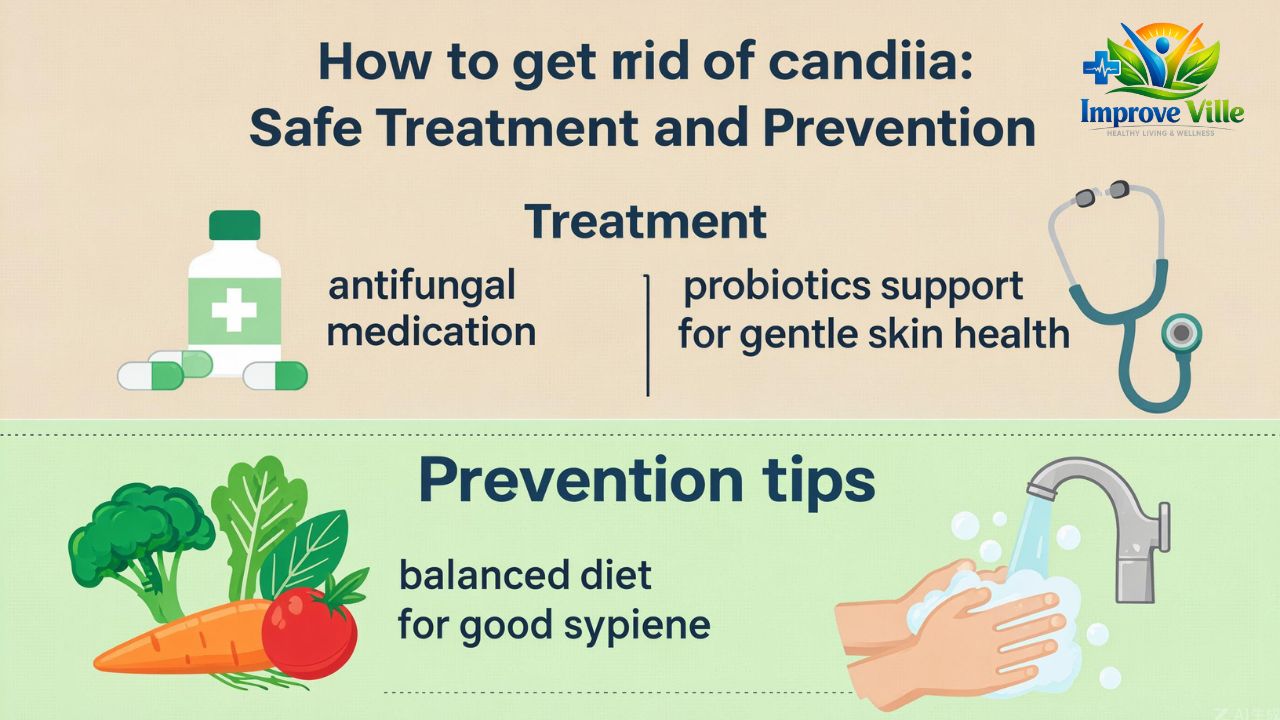

Introduction
Candida can feel confusing because it is not always obvious whether you are dealing with a simple yeast infection, irritation, a skin rash, or something that needs medical care. If you are searching for how to get rid of candida, the first thing to know is this: the safest answer depends on where the infection is, how often it comes back, and whether there are any underlying risk factors.
Candida is a type of yeast that can live normally on the skin, in the mouth, in the digestive tract, and around the genitals. It becomes a problem when it grows out of balance and causes symptoms such as itching, soreness, redness, white patches, discharge, or cracked irritated skin.
The tricky part is that Candida symptoms can overlap with other conditions. Vaginal itching may be a yeast infection, but it may also be bacterial vaginosis, dermatitis, or an STI. White patches in the mouth may be oral thrush, but soreness and tongue changes can have other causes too. That is why a smart plan is not just “kill yeast fast.” It is to confirm what is happening, treat it properly, and reduce the chance of repeat flare-ups.
This guide walks you through practical, evidence-informed steps: how Candida overgrowth happens, what treatments actually work, what lifestyle habits can help, what not to waste money on, and when it is time to call a healthcare professional.
What Is Candida?
Candida is a group of yeasts, and Candida albicans is one of the most common types linked with human infections. In small amounts, it is usually harmless. Your immune system, skin barrier, normal bacteria, and moisture balance all help keep it under control.
A Candida infection, also called candidiasis, can happen when that balance changes. Antibiotics can reduce protective bacteria. High blood sugar can create a more yeast-friendly environment. Warm, moist skin folds can allow yeast to multiply. A weakened immune system can make it harder for the body to control fungal growth.
Common Types of Candida Infections
Candida does not show up the same way in every person. The most common local infections include:
- Vaginal yeast infection: itching, soreness, burning, discomfort during sex or urination, and thick white discharge.
- Oral thrush: creamy white patches, redness, soreness, cracking at the corners of the mouth, or a cottony feeling.
- Skin candidiasis: red, itchy, moist rash often found in skin folds such as under the breasts, groin, armpits, or belly folds.
- Penile yeast infection: redness, itching, irritation, burning, or a rash around the head of the penis.
- Esophageal candidiasis: pain or difficulty swallowing, usually in people with weakened immunity.
- Invasive candidiasis: a serious bloodstream or organ infection that needs urgent hospital treatment.
Most people looking for how to get rid of candida are dealing with a local infection, not a dangerous bloodstream infection. Still, severe symptoms, fever, chills, swallowing pain, pregnancy, diabetes, immune suppression, or repeated infections should be taken seriously.
how to get rid of candida safely
The most reliable way to treat Candida is to match the treatment to the site of infection. A vaginal yeast infection is not treated the same way as oral thrush. A rash in a skin fold is not managed the same way as Candida in the bloodstream. That is why guessing can lead to delays, irritation, or repeat symptoms.
For mild, familiar yeast infections, over-the-counter antifungal products may help. For first-time symptoms, recurring infections, unusual discharge, pelvic pain, mouth sores that do not improve, or symptoms in babies, older adults, or immunocompromised people, medical diagnosis is the safer route.
Step 1: Confirm That It Is Really Candida
Before treating, ask a simple question: does this look and behave like Candida, or could something else be going on? Candida often causes itching, redness, soreness, white patches, thick discharge, or a moist rash. But these signs are not exclusive.
A healthcare professional may diagnose candidiasis by looking at the affected area and, when needed, taking a swab, sample, or culture. This matters especially if symptoms keep coming back because some Candida species respond differently to common antifungal medicines.
You should avoid repeatedly using antifungal creams without a clear diagnosis. They can temporarily reduce irritation but may not fix the real problem if the cause is bacterial, allergic, inflammatory, or sexually transmitted.
Step 2: Use the Right Antifungal Treatment
Antifungal medicine is the main treatment for Candida infections. Depending on the location and severity, this may be a cream, ointment, pessary, lozenge, mouth rinse, oral tablet, or IV medication.
For vaginal yeast infections, treatment often includes antifungal creams or suppositories used for several days, or a single oral fluconazole dose when appropriate. Some people need a longer course if symptoms are severe or recurrent.
For oral thrush, treatment may include nystatin liquid, clotrimazole lozenges, or another antifungal prescribed by a clinician. Dentures, dry mouth, inhaled steroids, diabetes, and recent antibiotics can increase risk, so those triggers may need attention too.
For skin candidiasis, antifungal creams or powders can help, but moisture control is just as important. Keeping the area dry, changing sweaty clothes quickly, and reducing friction often makes treatment work better.
The biggest mistake is stopping too early because symptoms feel better. Use medication exactly as directed. If symptoms return quickly or do not improve, that is a sign to get checked rather than trying random stronger remedies.
how to get rid of candida with diet and daily habits
Food alone is unlikely to cure a true Candida infection, but diet can still support recovery by improving blood sugar balance, gut comfort, and immune resilience. This is especially important for people with diabetes, frequent antibiotic use, or repeated yeast infections.
A practical Candida-supportive diet is not extreme. It focuses on steady meals, enough protein, high-fiber foods, and fewer sugary snacks. You do not need to fear every carbohydrate. Instead, think in terms of balance: vegetables, beans or lentils if tolerated, plain yogurt with live cultures, lean proteins, nuts, seeds, whole grains, and plenty of water.
Foods That May Support a Better Balance
Helpful choices often include:
- Plain unsweetened yogurt or kefir with live cultures
- Vegetables, especially leafy greens and non-starchy options
- Protein such as eggs, fish, chicken, tofu, or legumes
- High-fiber foods to support regular digestion
- Healthy fats from olive oil, avocado, nuts, and seeds
- Lower-sugar snacks instead of sweets and sugary drinks
This does not mean these foods “kill Candida” directly. It means they may support the body while proper treatment deals with the infection.
What to Limit During a Flare-Up
During an active flare-up, it may help to reduce:
- Sugary drinks and desserts
- Frequent refined snacks
- Excess alcohol
- Very tight synthetic clothing in affected areas
- Scented washes, sprays, or harsh soaps around sensitive skin
- Staying in wet gym clothes or swimsuits for long periods
These changes are supportive, not a replacement for antifungal medicine when medicine is needed.
Why Candida Keeps Coming Back
Recurring Candida can be frustrating because it may feel like you treat it, get relief, and then the same symptoms return. When that happens, the goal is to find the reason rather than simply repeating the same product every time.
Common reasons include recent antibiotics, uncontrolled blood sugar, pregnancy-related hormone changes, immune suppression, frequent moisture or friction, tight clothing, certain contraceptives, steroid inhalers without rinsing the mouth, dentures that are not cleaned well, or using irritating hygiene products.
Recurrent Vaginal Yeast Infections
Recurrent vaginal yeast infections are often defined as multiple episodes within a year. In that situation, testing is important because the infection may involve non-albicans Candida, which may not respond well to the usual short-course treatment.
A clinician may recommend a longer initial treatment followed by maintenance therapy. This should be personalized, especially during pregnancy or when other medications are involved.
Recurrent Oral Thrush
Oral thrush that keeps returning may point to dry mouth, diabetes, denture hygiene issues, inhaled steroid use, smoking, immune problems, or recent antibiotic use. Rinsing the mouth after steroid inhalers, cleaning dentures nightly, managing blood sugar, and treating dry mouth can reduce recurrence.
If oral thrush appears repeatedly without an obvious reason, it is worth getting a proper medical review.
Skin Fold Candida That Comes Back
Skin fold infections love warmth, moisture, and friction. This is why the same rash may keep returning under the breasts, in the groin, under the belly, or between toes.
Prevention is practical: dry the area gently after bathing, use breathable fabrics, change sweaty clothes quickly, consider moisture-wicking underlayers, and ask a clinician whether an antifungal powder is appropriate.
Natural Remedies: What Helps and What Can Hurt
Many people search for natural options because they want fast relief without medication. That is understandable, but the internet is full of Candida advice that sounds confident and is not always safe.
Some natural steps can support comfort. Wearing breathable underwear, avoiding scented products, reducing sugar-heavy snacks, improving sleep, and keeping skin dry are reasonable. Plain yogurt as a food may be helpful for general balance, but inserting yogurt, garlic, essential oils, lemon juice, or vinegar into sensitive areas can cause burns, irritation, and worse inflammation.
Be Careful with “Candida Cleanses”
Candida cleanses often promise to remove yeast from the whole body through strict diets, supplements, binders, or detox plans. The problem is that these plans can be expensive, restrictive, and poorly supported.
If you want to know how to get rid of candida, focus on the basics that actually matter: correct diagnosis, appropriate antifungal treatment, trigger control, and follow-up when symptoms do not behave as expected.
Probiotics and Candida
Probiotics may help some people maintain a healthier bacterial balance, especially after antibiotics, but they should not be treated as a guaranteed cure. Strains, dose, and quality vary widely. If you are immunocompromised, have a central line, or are seriously ill, speak with a clinician before taking probiotics.
For most healthy adults, probiotic foods such as plain yogurt or kefir are a reasonable addition if tolerated. Supplements can be considered, but they should support the treatment plan, not replace it.
When You Should See a Doctor
Candida is common, but not every case should be handled alone. You should arrange medical care if this is your first suspected yeast infection, if symptoms are severe, if you are pregnant, if symptoms keep returning, if over-the-counter treatment does not work, or if you have diabetes, HIV, cancer treatment, transplant medication, or another immune-related concern.
You should seek urgent care if you have fever, chills, confusion, severe weakness, spreading redness, symptoms after surgery or a hospital stay, or pain and difficulty swallowing. Invasive candidiasis is not treated with home remedies and can be life-threatening.
Red Flags Not to Ignore
Get professional advice if you notice:
- Fever or chills with suspected fungal infection
- Pelvic pain, unusual bleeding, or strong odor
- Painful swallowing or food getting stuck
- Mouth sores that bleed or spread
- Rash that is rapidly worsening
- Yeast symptoms more than a few times per year
- Symptoms in a newborn, older adult, or immunocompromised person
- No improvement after completing treatment
These signs do not always mean something dangerous, but they do mean you need a clearer diagnosis.
How to Prevent Candida from Coming Back
Prevention works best when it is specific to your trigger. Someone who gets oral thrush from inhaled steroids needs a different strategy than someone with recurring skin fold rashes or antibiotic-related vaginal yeast infections.
Still, a few habits are widely useful. Keep vulnerable areas clean and dry. Avoid harsh soaps and scented intimate products. Wear breathable fabrics. Change out of sweaty clothing. Manage blood sugar if you have diabetes. Take antibiotics only when prescribed. Follow the full antifungal course. Clean dentures properly. Rinse your mouth after steroid inhaler use.
Build a Simple Candida Prevention Routine
Here is a realistic routine:
- Track patterns. Note when symptoms appear, such as after antibiotics, workouts, periods, high-sugar weeks, or hot weather.
- Reduce moisture. Dry skin folds carefully and change damp clothes quickly.
- Protect the microbiome. Avoid unnecessary antibiotics and harsh cleansing products.
- Support blood sugar balance. Build meals around protein, fiber, and healthy fats.
- Treat early but wisely. Use proven antifungals when Candida is confirmed or familiar, and seek testing when symptoms are unusual.
- Follow up for recurrence. Repeated infections deserve a deeper look.
This is the part many people miss: prevention is not about being perfect. It is about removing the conditions that allow yeast to overgrow again and again.
Myths About Candida
Candida myths spread easily because symptoms can be uncomfortable and embarrassing. When people are desperate for relief, big promises become tempting.
Myth 1: Everyone Has “Systemic Candida”
Candida can live in the body without causing illness. That does not mean every symptom is caused by systemic Candida. True invasive candidiasis is a serious medical condition usually seen in hospitalized or medically vulnerable people.
Myth 2: You Must Cut All Carbs Forever
A balanced diet can help, especially if blood sugar is a factor, but extreme long-term restriction is not necessary for most people. The better goal is reducing excess added sugar and building steady meals.
Myth 3: Home Remedies Are Always Safer
Natural does not automatically mean gentle. Essential oils, garlic, vinegar, and harsh cleanses can damage skin and mucous membranes. Safer choices are those that reduce irritation and support recovery without causing burns or inflammation.
Myth 4: If It Itches, It Must Be Candida
Itching can come from yeast, bacteria, allergies, eczema, STIs, dryness, friction, or product irritation. If treatment fails or symptoms feel different from usual, testing matters.
FAQ
What is the fastest way to treat Candida?
The fastest reliable approach is to use the right antifungal treatment for the affected area. Vaginal, oral, skin, and invasive Candida infections need different treatments, so the first step is confirming the type of infection.
Can you learn how to get rid of candida at home?
You can manage some mild, familiar yeast infections at home with proven over-the-counter antifungal treatments and good moisture control. However, first-time, severe, recurring, or unusual symptoms should be checked by a healthcare professional.
Can Candida go away on its own?
Mild irritation may improve if the trigger is removed, but a true Candida infection often needs antifungal treatment. Waiting too long can prolong discomfort or allow symptoms to worsen.
How long does it take to get rid of Candida?
Many mild local infections improve within a few days of proper treatment, but complete clearing may take one to two weeks. Severe, recurrent, oral, esophageal, or invasive infections may need longer care.
Is Candida contagious?
Most yeast infections are caused by Candida already living on the body, not by catching it from someone else. Partners usually do not need treatment unless they have symptoms, but sexual activity may worsen irritation during an active flare-up.
Does sugar feed Candida?
High-sugar eating patterns and uncontrolled blood sugar may contribute to yeast-friendly conditions, especially in people prone to infections. Cutting back on added sugar can help support prevention, but diet alone is not a proven cure for an active infection.
Can probiotics cure Candida?
Probiotics may support microbial balance for some people, but they are not a guaranteed cure. Use them as supportive care, not as a replacement for antifungal treatment when treatment is needed.
Should I do a Candida cleanse?
Most Candida cleanses are not necessary and may be too restrictive. A safer plan is diagnosis, proven antifungal treatment, balanced meals, moisture control, and follow-up for recurring symptoms.
Can men get Candida?
Yes. Men can develop Candida-related irritation, redness, itching, or rash, especially around the penis or in skin folds. Diabetes, antibiotics, moisture, and immune factors can increase risk.
When is Candida dangerous?
Candida can be dangerous when it enters the bloodstream or affects internal organs. Fever, chills, severe illness, symptoms after hospitalization, or infection in an immunocompromised person should be handled urgently.
Conclusion
Learning how to get rid of candida is really about choosing the right plan, not chasing the harshest treatment. Candida is common, and most local infections can be treated successfully, but the details matter: where it is, how severe it is, whether it keeps coming back, and what may be triggering it.
Start with a clear diagnosis when symptoms are new or unusual. Use proven antifungal treatment when it is needed. Support your body with balanced meals, good hygiene, moisture control, and blood sugar awareness. And if symptoms keep returning, do not blame yourself or keep guessing. Recurring Candida is a sign to look deeper, test properly, and build a prevention plan that fits your body.