
Introduction
Some months, your period doesn’t just arrive—it steals the batteries out of your body. If you’ve been searching how long does period fatigue last, you’re probably trying to figure out whether your exhaustion is normal, temporary, or a sign that something else needs attention.
The frustrating part is that period fatigue can feel wildly different from person to person. For one person, it’s a sleepy afternoon before bleeding starts. For another, it’s a full-body heaviness that makes work, school, parenting, exercise, and even basic errands feel harder than usual.
This matters because fatigue is easy to dismiss, especially when it shows up around your cycle every month. But your body is not being dramatic. Energy changes during the menstrual cycle can be linked to hormone shifts, sleep disruption, cramps, mood changes, heavier bleeding, nutrition, stress, and underlying health conditions.
What Is Period Fatigue?
Period fatigue is a noticeable drop in energy that happens before, during, or sometimes shortly after menstruation. It may feel like sleepiness, weakness, brain fog, low motivation, heavy limbs, or the kind of tiredness that does not fully lift after one normal night of sleep.
For many people, it shows up as part of premenstrual syndrome, often called PMS. PMS can include physical and emotional symptoms such as fatigue, bloating, breast tenderness, headaches, appetite changes, mood swings, and sleep problems. Major medical sources recognize fatigue and sleep problems as common premenstrual symptoms.
It can also happen during bleeding itself. Cramps may interrupt sleep, prostaglandins can contribute to aches and digestive changes, and blood loss may leave some people feeling drained. If periods are heavy, long, or paired with dizziness and shortness of breath, fatigue may be connected to iron deficiency or anemia rather than ordinary cycle changes.
How Long Does Period Fatigue Last?
For most people, how long does period fatigue last depends on when it begins. If it starts before bleeding, it often appears in the days leading up to your period and improves once bleeding begins or within the first few days of the period.
A common pattern is fatigue beginning 1 to 7 days before menstruation, peaking the day before or the first day of bleeding, and easing by day 2 or day 3. Some people feel low energy for the full length of their period, especially if they have painful cramps, poor sleep, heavy flow, or migraines.
If your tiredness is related mostly to PMS, it should follow a predictable cycle and improve after your period starts. Premenstrual symptoms often begin 1 to 2 weeks before a period and typically end within about 4 days after bleeding starts.
If fatigue lasts beyond your period every month, worsens over time, or makes it hard to function, it deserves a closer look. Long-lasting exhaustion is not something you need to push through silently.
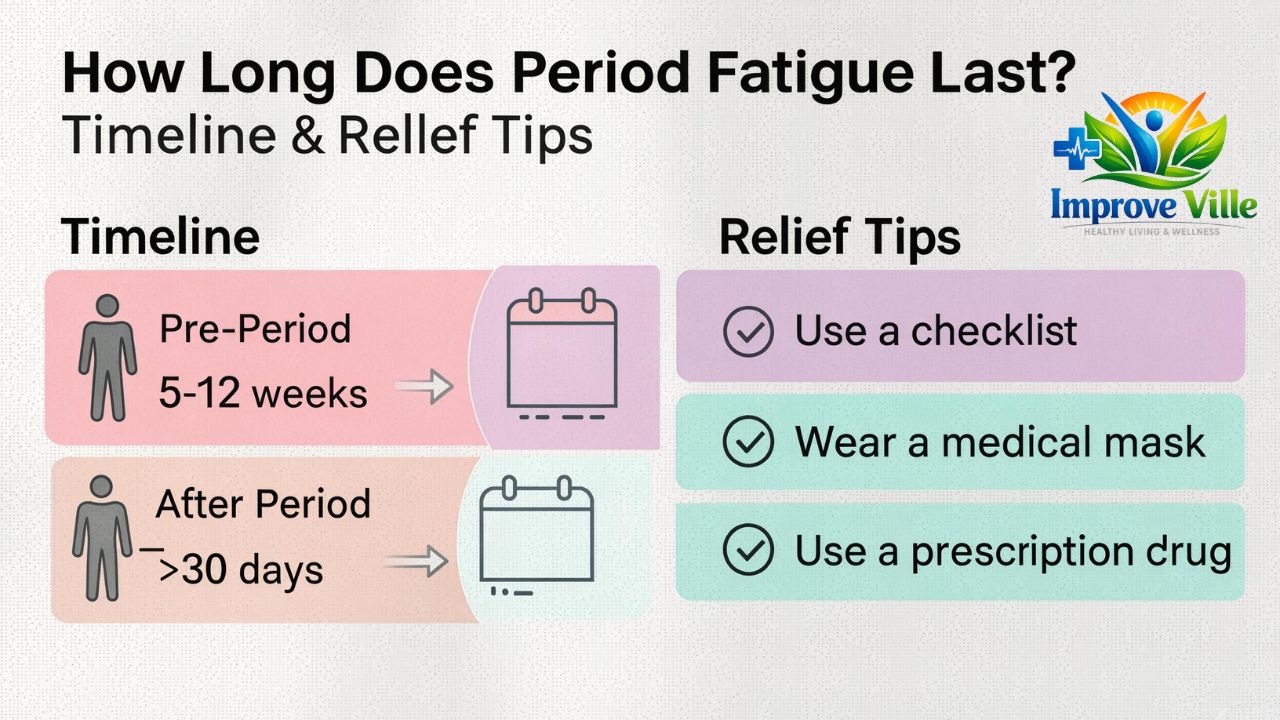
![Infographic: Period fatigue timeline showing pre-period hormone changes, first-day energy dip, and recovery over the next few days.]
Why Period Fatigue Happens
Hormone Shifts Can Affect Energy
The menstrual cycle is guided by changing levels of estrogen and progesterone. After ovulation, progesterone rises, and then both estrogen and progesterone fall if pregnancy does not occur. These shifts can affect mood, sleep, appetite, body temperature, and energy.
That hormonal drop may help explain why some people feel foggy, emotional, hungry, or unusually tired before their period. It is not “all in your head”; hormones communicate with the brain, nervous system, and immune system in ways that can change how alert or rested you feel.
Poor Sleep Makes Everything Feel Worse
Many people sleep worse before or during their period. Breast tenderness, bloating, cramps, headaches, anxiety, night sweats, and temperature changes can all make it harder to fall asleep or stay asleep.
Even if you technically spend enough hours in bed, your sleep may be lighter or more fragmented. That is why you might wake up feeling as if your body never fully recovered overnight.
Cramps and Inflammation Can Drain You
Menstrual cramps are linked to prostaglandins, hormone-like compounds that help the uterus contract. Higher prostaglandin levels can mean stronger cramps, and for some people, nausea, diarrhea, back pain, and general body aches.
Pain is tiring. When your body is managing cramps for hours or days, fatigue can follow naturally. This is especially true if pain keeps you from sleeping, eating normally, exercising gently, or concentrating.
Heavy Bleeding May Lower Iron
If your period is heavy, fatigue may come from blood loss. Iron helps your body make hemoglobin, the protein in red blood cells that carries oxygen. Low iron can cause tiredness, weakness, headaches, dizziness, cold hands and feet, and shortness of breath with activity.
Heavy bleeding is not just “annoying.” Soaking through pads or tampons quickly, passing large clots, bleeding longer than a week, or needing double protection can be signs to discuss with a clinician.
Normal Tiredness vs. Fatigue That Needs Attention
A bit of low energy around your period can be normal. You might want more sleep, slower workouts, easier meals, or a quieter evening. That kind of tiredness usually improves with rest, hydration, pain relief, and time.
Fatigue becomes more concerning when it feels extreme, keeps you from daily responsibilities, or does not match your usual cycle pattern. It is also worth paying attention when exhaustion arrives with heavy bleeding, fainting, chest pain, severe pelvic pain, fever, sudden weakness, or symptoms of depression.
Signs Your Fatigue May Be More Than PMS
Consider getting medical advice if you notice:
- Fatigue lasting most of the month
- Periods that regularly last longer than 7 days
- Bleeding that soaks through a pad or tampon every hour
- Large clots or bleeding between periods
- Dizziness, fainting, or shortness of breath
- Severe cramps that do not improve with usual care
- New fatigue after starting a medication
- Mood symptoms that feel intense or frightening
- Exhaustion that is getting worse over several cycles
Tracking symptoms for two or three cycles can make the conversation easier. Write down when fatigue starts, when it peaks, how long it lasts, how heavy your flow is, and what helps.
How Long Does Period Fatigue Last When PMS Is the Cause?
When PMS is the main reason, how long does period fatigue last is usually tied to the luteal phase, the stretch after ovulation and before bleeding. Symptoms may start a few days before your period, although some people notice them up to two weeks before.
The key feature is repetition. PMS-related fatigue tends to return in a similar window each cycle and fade once hormone levels shift again after menstruation begins. You may not feel perfect on day one, especially if cramps are intense, but energy usually starts to climb as bleeding settles.
If the pattern is predictable but severe, you may still benefit from support. PMS is common, but that does not mean you must accept monthly exhaustion as your normal.
How Long Does Period Fatigue Last With Heavy Periods?
If fatigue is related to heavy bleeding, how long does period fatigue last can be longer than the period itself. You may feel drained during bleeding and continue feeling low for days afterward, especially if your iron stores are low.
This is one reason heavy periods should not be brushed off. Losing more blood than your body can easily replace may leave you feeling wiped out even when the bleeding ends. Over time, repeated heavy cycles can contribute to iron deficiency.
A clinician may recommend blood tests, iron evaluation, treatment for heavy bleeding, or investigation for causes such as fibroids, polyps, thyroid problems, bleeding disorders, or endometriosis, depending on your symptoms and history.
What Period Fatigue Feels Like
Period fatigue is not always just “being sleepy.” People describe it in many ways, including:
- Feeling heavy or slow
- Needing naps despite sleeping at night
- Struggling to focus
- Feeling weaker during workouts
- Wanting to cancel plans
- Feeling emotionally sensitive because everything takes more effort
- Craving sugar, caffeine, or salty foods
- Moving through the day on autopilot
Some people also experience what is sometimes called “period flu,” a cluster of symptoms such as aches, chills, fatigue, headache, nausea, and general unwellness around menstruation. It can feel like getting sick, even when there is no infection.
How to Get Energy Back During Your Period
Prioritize Sleep Without Oversleeping the Whole Day
Rest matters, but spending the entire day in bed can sometimes leave you groggier. Aim for a steady sleep schedule, a dark cool room, and a wind-down routine that starts before you are already exhausted.
If cramps wake you up, managing pain before bedtime may help. A heating pad, a warm shower, gentle stretching, or over-the-counter pain relief may improve sleep quality for some people. Follow medication labels and avoid anything you have been told not to take.
Eat for Steady Energy
Your appetite may change before your period, and cravings are common. Instead of fighting your body, build meals that keep blood sugar steadier.
Try combining protein, fiber-rich carbohydrates, and healthy fats. Examples include eggs with whole-grain toast, yogurt with fruit and nuts, lentil soup, salmon with rice and vegetables, or a smoothie with protein and oats.
Iron-rich foods can also help, especially if your periods are heavy. Good options include lean meat, poultry, fish, beans, lentils, tofu, spinach, pumpkin seeds, and fortified cereals. Pairing plant-based iron with vitamin C foods, such as citrus, berries, peppers, or tomatoes, can support absorption.
Hydrate Before You Feel Depleted
Dehydration can make fatigue, headaches, constipation, and dizziness worse. You do not need to force gallons of water, but keeping fluids steady can help.
If you have diarrhea, vomiting, heavy sweating, or a heavy flow, you may need extra fluids and electrolytes. Soup, herbal tea, water, fruit, and electrolyte drinks can all count.
Move Gently, Not Punishingly
Exercise may be the last thing you want to do, but gentle movement can improve circulation, mood, cramps, and stiffness. Think walking, yoga, light cycling, stretching, or easy strength work.
The goal is not to prove anything. It is to help your body feel less stuck. On very heavy or painful days, rest may be the better choice. Listening to your body is not laziness; it is useful information.
Lifestyle Habits That May Reduce Monthly Fatigue
Track Your Cycle Like a Pattern, Not a Problem
A period tracking app or simple notebook can reveal patterns you might miss day to day. Track sleep, flow, cramps, mood, headaches, cravings, exercise, and energy.
After a few months, you may notice that fatigue always arrives two days before bleeding, or that it becomes worse after poor sleep, skipped meals, stressful weeks, or very heavy flow. This makes it easier to plan ahead.
Build a Pre-Period Buffer
If your cycle is predictable, treat the days before your period as a time to reduce unnecessary friction. That might mean grocery shopping earlier, preparing easy meals, shifting intense workouts, declining optional plans, or scheduling lighter work when possible.
This is not about letting your period control your life. It is about working with your body instead of being surprised by the same energy dip every month.
Watch Caffeine and Alcohol
Caffeine may help temporarily, but too much can worsen anxiety, sleep quality, and energy crashes. Alcohol can also disrupt sleep and may worsen mood changes, dehydration, and headaches.
You do not have to be perfect. Just notice whether your usual habits help or hurt during the days when fatigue is strongest.
Could It Be PMDD?
Premenstrual dysphoric disorder, or PMDD, is a more severe form of premenstrual symptoms. It can include intense mood changes, irritability, depression, anxiety, sleep problems, difficulty concentrating, and physical symptoms before the period.
Fatigue can be part of PMDD, but the emotional symptoms are often more disruptive than typical PMS. If you feel unlike yourself before your period, have severe mood swings, or experience thoughts of self-harm, seek professional support promptly. PMDD is real, and treatment options exist.
Could It Be Anemia, Thyroid Issues, or Something Else?
Sometimes the answer to how long does period fatigue last is complicated because the fatigue is not only from the period. Menstruation may simply make an existing issue more noticeable.
Possible contributors include iron deficiency, anemia, thyroid disorders, vitamin B12 deficiency, vitamin D deficiency, depression, anxiety, chronic stress, sleep disorders, endometriosis, fibroids, polycystic ovary syndrome, and certain medications.
You do not need to self-diagnose. But if fatigue is intense, new, persistent, or paired with heavy bleeding, it is reasonable to ask for medical evaluation. Basic lab work and a symptom history can often point the next step in the right direction.
When to See a Doctor
Make an appointment if period fatigue is interfering with your normal life, if your periods are very heavy or painful, or if your symptoms have changed suddenly. You should also seek urgent care for fainting, chest pain, severe sudden pelvic pain, very heavy bleeding, or signs of pregnancy complications.
It may help to bring notes from your cycle tracker. Include dates, flow level, pain level, sleep, fatigue severity, and any symptoms such as dizziness, shortness of breath, mood changes, or bleeding between periods.
A clinician may discuss pain control, hormonal birth control, treatment for heavy bleeding, iron testing, thyroid testing, lifestyle changes, or referral to a specialist depending on what is going on.
Practical Day-by-Day Period Fatigue Plan
A Few Days Before Your Period
This is the time to protect your energy before the biggest dip hits. Prioritize sleep, eat regular meals, reduce avoidable stress, and prepare simple foods for the first day of bleeding.
If you know cramps are coming, gather what helps: heat, pain relief, comfortable clothes, period products, hydration options, and easy snacks.
Day One
For many people, day one is the hardest. Cramps, heavier flow, poor sleep, and low energy can collide. Keep expectations realistic and focus on comfort, hydration, warmth, and steady meals.
If you can, choose gentle movement instead of intense exercise. If you cannot, rest without guilt.
Days Two and Three
Energy often begins improving as cramps and flow settle. Keep eating enough, continue hydration, and avoid overloading your schedule just because you feel a little better.
This is a good time to notice what worked and what did not. Did heat help? Did caffeine backfire? Did you feel worse after skipping breakfast? Those details matter.
After Your Period Ends
If your energy returns, that supports a cycle-related pattern. If you still feel wiped out, especially after heavy bleeding, consider tracking how long the tiredness continues.
When someone asks how long does period fatigue last, the most useful answer is often personal: long enough to notice, but not so long that it steals your entire month.
FAQ
Is it normal to feel exhausted before my period?
Yes, mild to moderate fatigue before a period is common. Hormone changes, poorer sleep, appetite shifts, stress, and PMS symptoms can all contribute. It should usually improve once your period begins or within the first few days of bleeding.
How long does period fatigue last if I have cramps?
When cramps are the main trigger, fatigue may last as long as the pain is disrupting sleep and daily comfort. For many people, that means the first one to three days of bleeding. Severe cramps that interfere with life should be discussed with a clinician.
Can heavy periods make fatigue last longer?
Yes. Heavy bleeding can contribute to low iron or anemia, which may cause fatigue beyond the days of bleeding. If you regularly soak through products quickly, pass large clots, or bleed longer than a week, medical evaluation is a good idea.
Why do I feel tired even after sleeping?
Sleep quality can drop before and during your period. Cramps, bloating, anxiety, breast tenderness, night waking, and temperature changes can leave you feeling unrested even after enough hours in bed.
Does exercise help period fatigue?
Gentle exercise may help some people by improving circulation, mood, and cramps. However, intense workouts may feel harder during low-energy days. Walking, stretching, yoga, or light strength work are often more realistic than pushing through a demanding routine.
What foods help with period fatigue?
Meals with protein, fiber-rich carbohydrates, and healthy fats can support steadier energy. Iron-rich foods may be helpful if bleeding is heavy. Examples include beans, lentils, eggs, fish, lean meats, tofu, leafy greens, fortified cereals, nuts, and seeds.
When should I worry about period fatigue?
You should pay closer attention if fatigue is severe, lasts beyond your period, gets worse over time, or comes with heavy bleeding, fainting, shortness of breath, severe pain, fever, or intense mood symptoms.
Can PMS fatigue start two weeks before a period?
Yes, premenstrual symptoms can begin during the luteal phase, which may be up to two weeks before bleeding. If symptoms are severe or disruptive, it is worth discussing PMS or PMDD with a healthcare professional.
Conclusion
So, how long does period fatigue last? For many people, it lasts a few days around the start of menstruation, though it can begin earlier with PMS and linger longer when bleeding is heavy, sleep is poor, or iron levels are low.
The most important thing is the pattern. A predictable monthly dip that improves with rest and basic care is usually different from exhaustion that is severe, persistent, or getting worse. Your cycle can affect your energy, but it should not quietly take over your life.
Pay attention to what your body repeats. Track it, support it, and ask for help when the fatigue feels bigger than a normal period should be. Feeling drained every month is common, but suffering through it without answers is not something you have to accept.