
Introduction
You eat a cookie, drink a sweet coffee, or polish off dessert after dinner—then the question hits: how long does it take for sugar to get out of your system? It sounds simple, but your body’s relationship with sugar is more layered than most people realize.
Sugar does not just “sit” in your body until it disappears. It is broken down, absorbed into your bloodstream, moved into cells, stored for later, or converted depending on what your body needs at the time. That process can feel smooth for some people and like a roller coaster for others.
![Image suggestion: A realistic photo of a balanced meal beside a small dessert, showing the contrast between fiber-rich foods and added sugar.]
This matters because sugar affects more than your waistline. It can influence energy, hunger, mood, cravings, sleep, workout performance, and, for people with diabetes or insulin resistance, daily blood glucose management.
The good news? You do not need a dramatic “detox” to help your body recover from a sugary day. Once you understand what is happening inside your body, you can make smarter choices without panic, guilt, or all-or-nothing dieting.
What Happens to Sugar After You Eat It?
When you eat sugar or carbohydrate-rich foods, digestion begins breaking those carbohydrates down into smaller sugar molecules, mainly glucose. Glucose then enters your bloodstream, which is why people often talk about “blood sugar” after meals.
Your body does not see all sugar the same way in real life. A spoonful of sugar in soda hits differently than sugar inside a whole apple because the apple also brings fiber, water, vitamins, and plant compounds that slow digestion and help you feel full.
Once glucose reaches your bloodstream, your pancreas releases insulin. Insulin acts like a key, helping glucose move from your blood into your cells so it can be used for energy. If there is more glucose than you immediately need, your body can store some as glycogen in your liver and muscles.
If glycogen stores are already topped off and you regularly consume more calories than your body uses, the excess energy can contribute to fat storage over time. That does not mean one sweet snack automatically becomes body fat. It means repeated patterns matter more than a single dessert.
The Difference Between Blood Sugar and “Sugar in Your System”
People often ask how long does it take for sugar to get out of your system when they really mean one of three things: how long blood sugar stays elevated, how long cravings last, or how long it takes to feel normal again after eating too much sugar.
Blood sugar may rise and fall within a few hours after eating. Cravings, however, can last longer because they are influenced by habits, sleep, stress, hormones, meal patterns, and even your environment.
There is also a difference between naturally occurring sugars and added sugars. Natural sugars are found in foods like fruit, plain milk, and vegetables. Added sugars are put into foods during processing or preparation, such as sugar in candy, pastries, sweetened drinks, flavored yogurts, sauces, cereals, and many packaged snacks.
Why Added Sugar Feels So Powerful
Added sugar is easy to overeat because it is often paired with refined starch, fat, salt, and highly palatable textures. Think of doughnuts, cookies, ice cream, chocolate bars, sweet coffee drinks, and frosted cereals. These foods are designed to be enjoyable, quick to eat, and easy to keep eating.
Sugar also gives quick energy. That quick lift can feel helpful when you are tired, stressed, bored, or underfed. The problem is that a fast rise in blood sugar may be followed by a dip, especially when a sugary food is eaten without protein, fiber, or fat.
That dip can make you feel hungry, shaky, foggy, sleepy, or eager for more sugar. It is not a character flaw. It is biology mixed with habit.
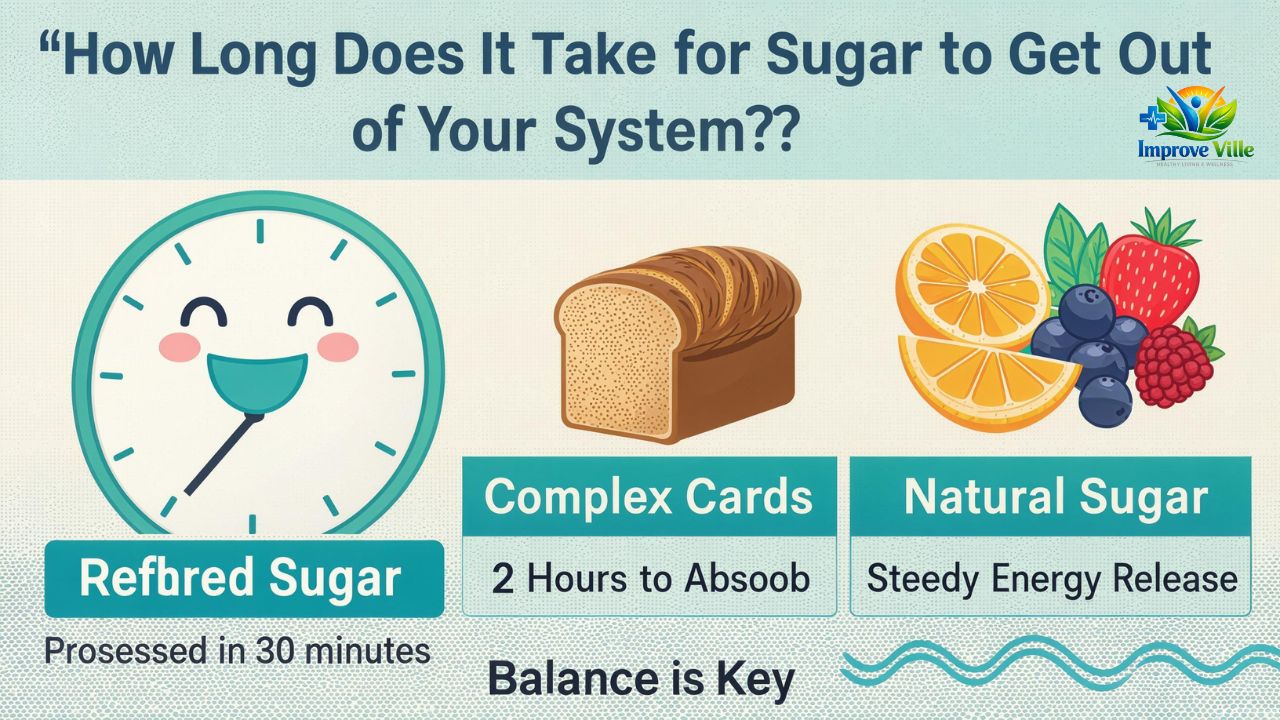
How Long Does It Take for Sugar to Get Out of Your System?
For many healthy adults, blood sugar begins rising within minutes after eating carbohydrate-containing foods, often peaks around one to two hours after a meal, and gradually returns toward baseline within about two to three hours. The exact timing depends on the food, portion size, activity level, insulin sensitivity, and overall health.
So, how long does it take for sugar to get out of your system in practical terms? If you are talking about a normal blood sugar rise after a meal, it may settle within a few hours. If you are talking about cravings or the effects of a high-sugar eating pattern, it may take several days to a few weeks of consistent habits to feel steadier.
That distinction is important. Your body can process a sweet snack relatively quickly, but your appetite cues, taste preferences, and energy patterns may take longer to recalibrate.
A Simple Timeline After Eating Sugar
Here is a general timeline for what may happen after eating a sugary food or drink:
Within 0–30 minutes: Sugar starts being digested and absorbed. Blood glucose may begin rising, especially if the food is low in fiber and protein.
Around 30–90 minutes: Blood sugar may climb closer to its peak. Some people feel energized, alert, or even a little wired.
Around 1–3 hours: Insulin helps move glucose into cells. Blood sugar often starts coming down. Some people feel fine, while others notice fatigue, hunger, irritability, or cravings.
Around 3–6 hours: The immediate blood sugar response from that food is usually much less noticeable for many people, though this varies widely.
Over the next few days: If you reduce added sugar, cravings may feel stronger at first, especially if you are used to frequent sweet foods or drinks.
Over several weeks: Taste buds, routines, and cravings can shift. Many people find that extremely sweet foods start tasting “too sweet” once they have reduced added sugar for a while.
Why There Is No One Exact Answer
There is no universal stopwatch for how long does it take for sugar to get out of your system because people process glucose differently. A very active person may use glucose quickly during and after exercise. Someone with insulin resistance may have blood sugar that stays elevated longer.
Meal composition matters too. Candy on an empty stomach may raise blood sugar faster than the same amount of sugar eaten after a balanced meal. A dessert after grilled chicken, vegetables, beans, and avocado will usually behave differently than a large soda consumed alone.
Sleep also matters. Poor sleep can make the body less responsive to insulin the next day, which may increase hunger and cravings. Stress can also raise hormones that influence blood sugar and appetite.
Factors That Affect How Quickly Your Body Handles Sugar
Your body’s response to sugar depends on more than the grams of sugar listed on a label. The surrounding meal, your metabolism, and your daily routine all play a role.
1. The Type of Sugar or Carbohydrate
Simple sugars in soda, candy, juice, and sweet coffee drinks tend to digest quickly because they require little breakdown. Refined starches, such as white bread or pastries, can also raise blood sugar quickly because they break down into glucose.
Whole-food carbohydrates usually behave differently. Oats, lentils, beans, berries, apples, sweet potatoes, and whole grains contain fiber and other nutrients that slow digestion and support steadier energy.
This is why “sugar” can be an oversimplified word. Your body responds to the whole food, not just one nutrient.
2. Whether You Ate Protein, Fiber, or Fat With It
Protein, fiber, and fat can slow the absorption of sugar into the bloodstream. That is why a bowl of Greek yogurt with berries and nuts often feels more satisfying than a sweet drink with the same number of calories.
Fiber is especially helpful because it slows digestion and supports gut health. Protein supports fullness and helps prevent the “I need another snack right now” feeling that can follow a sugar-heavy meal.
This does not mean you must make every meal perfect. It simply means pairing sweet foods with more balanced foods can soften the spike-and-crash effect.
3. Your Activity Level
Movement helps your muscles use glucose. Even a short walk after a meal can help your body handle post-meal blood sugar more efficiently.
You do not need an intense workout to benefit. A 10- to 20-minute walk, light cycling, gentle housework, or walking up and down stairs can all help your muscles take up glucose.
![Infographic suggestion: “Sugar Timeline in the Body” showing digestion, blood sugar rise, insulin response, glucose use, storage, and craving changes over days.]
4. Insulin Sensitivity
Insulin sensitivity describes how well your cells respond to insulin. When insulin sensitivity is good, your body can move glucose out of the bloodstream efficiently. When insulin resistance is present, your body has to work harder to manage blood sugar.
Insulin resistance can be influenced by genetics, body composition, sleep, stress, physical activity, certain medications, and health conditions such as prediabetes, type 2 diabetes, polycystic ovary syndrome, and fatty liver disease.
If you have diabetes or take medication that affects blood glucose, do not attempt a strict sugar detox without medical guidance. Blood sugar can go too low or too high depending on your condition and treatment plan.
5. Sleep and Stress
A rough night of sleep can make sugary foods more tempting the next day. Your hunger hormones may shift, your energy may drop, and your brain may look for quick fuel.
Stress can do something similar. When life feels overwhelming, sugar can become a fast emotional relief. That does not make you weak; it means your brain is looking for comfort and energy.
This is why cutting sugar without addressing sleep, stress, and meal timing often feels harder than it needs to be.
Does Sugar Actually “Detox” From the Body?
The word detox gets used a lot, but your body is already built with detox systems. Your liver, kidneys, digestive tract, lungs, and skin all help process and remove waste products. Sugar does not require a special cleanse, tea, powder, or extreme diet to leave your body.
A better way to think about it is a “reset.” You are not flushing sugar out like soap from a sponge. You are giving your body steadier fuel, reducing added sugar, and allowing cravings and energy swings to calm down.
What People Mean by a Sugar Detox
When people say they are doing a sugar detox, they usually mean they are cutting back on added sugar for a period of time. This may include avoiding soda, candy, pastries, sweetened cereals, flavored coffee drinks, desserts, and packaged snacks with added sweeteners.
Some people also cut refined carbohydrates like white bread, chips, and pasta. Others only focus on added sugar and keep fruit, milk, whole grains, and starchy vegetables.
The more extreme the plan, the harder it may be to sustain. For most people, a realistic approach works better than a perfect one.
Can You Feel Bad When You Cut Back?
Yes, some people feel uncomfortable when they reduce added sugar, especially if they were eating a lot of it. Possible symptoms include headaches, irritability, fatigue, cravings, low mood, trouble concentrating, and feeling unusually hungry.
These symptoms are usually temporary. They may be related to changes in routine, caffeine intake, calorie intake, hydration, sleep, and the brain’s reward response to sweet foods.
If symptoms are severe, prolonged, or include dizziness, fainting, confusion, or signs of low blood sugar, it is important to seek medical advice.
How Long Do Sugar Cravings Last?
For many people, sugar cravings are strongest during the first few days of reducing added sugar. They often become more manageable after one to two weeks, especially when meals include enough protein, fiber, healthy fats, and calories.
For others, cravings come and go for longer because they are linked to habits. For example, if you always eat something sweet while watching TV, your brain may expect sugar when you sit on the couch at night.
That is why how long does it take for sugar to get out of your system is not only a chemistry question. It is also a routine question.
Physical Cravings vs. Habit Cravings
Physical cravings often show up when you are hungry, tired, dehydrated, underfed, or coming down from a blood sugar spike. These cravings can feel urgent and hard to ignore.
Habit cravings are tied to patterns. You may crave dessert after dinner even if you are full. You may want a sweet coffee every afternoon because it marks a break in your day. You may reach for candy at work because it is visible and easy.
Both types are real, but they respond to different strategies. Physical cravings often improve with better meals. Habit cravings improve by changing cues, routines, and rewards.
Signs Your Body Is Adjusting
You may notice that your energy feels more stable, your cravings become less intense, and you do not feel as controlled by sweet foods. Some people also find that fruit tastes sweeter and packaged desserts taste overly sweet.
Another sign is flexibility. You can enjoy a dessert without feeling like it turns into a whole day of overeating. That is a healthier goal than fearing sugar completely.
How to Help Your Body Recover After Eating Too Much Sugar
One high-sugar day does not ruin your health. The best response is not punishment. It is support.
Drink Water, But Do Not Overdo It
Water helps your body function well, supports digestion, and can reduce the chance of mistaking thirst for hunger. After a sugary meal, drinking water is a simple way to feel better.
However, water does not magically erase sugar from your bloodstream. Your body still has to digest, absorb, use, and store glucose. Hydration helps the process, but it is not a shortcut.
Take a Gentle Walk
A walk after eating can help your muscles use glucose. This may reduce the size or duration of a post-meal blood sugar rise.
Keep it realistic. You do not need to sprint or “burn off” dessert. A comfortable walk is enough to support digestion and glucose use.
![Image suggestion: A person taking a relaxed walk outside after a meal, emphasizing gentle movement rather than intense exercise.]
Eat a Balanced Next Meal
After too much sugar, many people are tempted to skip the next meal. That can backfire by making hunger and cravings worse later.
Instead, aim for a balanced meal with protein, fiber-rich carbohydrates, vegetables, and healthy fats. For example, eggs with vegetables and whole-grain toast, chicken with beans and salad, tofu with brown rice and vegetables, or Greek yogurt with berries and nuts.
The goal is to stabilize, not restrict.
Avoid the Guilt Spiral
Guilt can lead to all-or-nothing thinking: “I already messed up, so I might as well keep going.” That mindset is often more damaging than the sugar itself.
A better response is: “That was more sugar than I planned. My next choice can support how I want to feel.” This keeps you in control without shame.
Foods That Help Stabilize Blood Sugar
No single food can instantly answer how long does it take for sugar to get out of your system, but certain foods can help create steadier blood sugar patterns over time.
High-Fiber Foods
Fiber slows digestion and helps you feel full. Good options include:
- Beans and lentils
- Oats and barley
- Berries
- Apples and pears with the skin
- Chia seeds and flaxseeds
- Vegetables
- Whole-grain breads and cereals
Fiber-rich foods are especially helpful when they replace low-fiber sugary snacks or refined carbohydrates.
Protein-Rich Foods
Protein helps with fullness and supports muscle maintenance. Useful options include:
- Eggs
- Greek yogurt
- Fish
- Chicken or turkey
- Lean beef
- Tofu or tempeh
- Lentils and beans
- Cottage cheese
- Protein-rich smoothies with no added sugar
Try adding protein to breakfast if you tend to crave sugar later in the day. A sweet breakfast with little protein can set up a cycle of hunger and snacking.
Healthy Fats
Healthy fats slow digestion and make meals more satisfying. Good choices include avocado, olive oil, nuts, seeds, natural peanut butter, tahini, and fatty fish.
Fat is calorie-dense, so portion size still matters. But including some fat in meals can help prevent the “I ate but I’m still not satisfied” feeling.
What to Limit When You Want Sugar to Leave Your Routine
You do not have to eliminate every sweet food. Still, reducing the biggest sources of added sugar can make a noticeable difference.
Sugary Drinks
Sugary drinks are one of the easiest ways to consume a large amount of added sugar quickly. Soda, sweet tea, energy drinks, lemonade, fruit punch, flavored coffees, and many bottled smoothies can contain more sugar than people expect.
Liquid sugar does not usually satisfy hunger the same way solid food does. That means it can add a lot of sugar without making you feel full.
Try sparkling water, unsweetened tea, black coffee, infused water, or a smaller version of your favorite drink.
Sweet Snacks and Desserts
Cookies, cakes, pastries, candy, ice cream, and chocolate bars can fit into a balanced life, but daily large portions can keep cravings high.
If dessert is a daily habit, try making it more intentional. Plate it, sit down, enjoy it, and avoid eating straight from the package.
You can also experiment with naturally sweet options like berries with yogurt, baked apples with cinnamon, or dates with nut butter.
Hidden Added Sugars
Added sugar can hide in foods that do not taste like dessert. Check labels on:
- Granola
- Protein bars
- Flavored yogurt
- Breakfast cereal
- Ketchup
- Barbecue sauce
- Salad dressing
- Pasta sauce
- Instant oatmeal
- Packaged bread
Look for words like cane sugar, brown sugar, corn syrup, dextrose, fructose, glucose, honey, malt syrup, maple syrup, molasses, agave, and fruit juice concentrate.
How to Cut Back Without Feeling Miserable
A strict approach works for some people, but many do better with gradual changes. The best plan is the one you can repeat.
Start With One Sugar Source
Instead of changing everything at once, choose one high-impact habit. Maybe it is soda at lunch, sweet coffee in the morning, candy at your desk, or dessert every night.
Replace it with something realistic. For example, switch from soda to sparkling water at lunch, reduce syrup pumps in coffee, move candy out of sight, or have dessert three nights a week instead of seven.
Small changes create confidence.
Build Better Breakfasts
Breakfast can shape cravings for the rest of the day. A breakfast high in refined carbs and added sugar may leave you hungry soon after.
Try pairing protein and fiber. Examples include oatmeal with nuts and berries, eggs with whole-grain toast, Greek yogurt with chia seeds, or a tofu scramble with vegetables.
You do not need a perfect breakfast. You need one that keeps you steady.
Do Not Let Yourself Get Too Hungry
Extreme hunger makes sugar harder to resist. When your body wants fast energy, willpower becomes less reliable.
Eating regular meals can reduce intense cravings. If your meals are far apart, a snack with protein and fiber may help, such as fruit with peanut butter, cheese with whole-grain crackers, hummus with vegetables, or yogurt with nuts.
Keep Sweet Foods, But Change the Role They Play
Some people do well removing sweets for a short time. Others feel restricted and end up overeating later. There is no single right way.
A balanced approach is to make sweets occasional, intentional, and enjoyable. Sugar becomes a food you choose, not a food that controls your day.
When Blood Sugar May Stay High Longer
For most people without diabetes, the body manages post-meal blood sugar automatically. But for some, sugar can remain elevated longer or rise higher than expected.
Diabetes and Prediabetes
If you have diabetes or prediabetes, your body may not produce enough insulin or may not use insulin effectively. This can cause blood glucose to stay elevated after eating.
In this case, how long does it take for sugar to get out of your system depends on your medication, insulin sensitivity, meal composition, activity, hydration, illness, stress, and individual glucose targets.
Follow your healthcare provider’s advice for monitoring and treatment. Do not use general wellness articles as a substitute for personal medical care.
Symptoms That Deserve Attention
Talk to a healthcare professional if you often experience:
- Excessive thirst
- Frequent urination
- Blurry vision
- Unexplained fatigue
- Slow-healing cuts
- Unexplained weight changes
- Tingling in hands or feet
- Repeated high blood sugar readings
- Shakiness, sweating, or confusion after eating
These symptoms do not always mean diabetes, but they are worth checking.
How Long Until You Feel Better After Reducing Sugar?
Many people feel some improvement within a few days of reducing added sugar, especially if they replace it with balanced meals instead of simply eating less. Energy may feel more stable, cravings may soften, and digestion may improve.
After one to two weeks, sweet cravings may become less intense. After three to four weeks, new routines may feel more normal. This is not because sugar has been hiding in your body for a month. It is because habits, taste preferences, and appetite signals take time to adjust.
So, when someone asks how long does it take for sugar to get out of your system, the most honest answer is: blood sugar changes within hours, but your cravings and routines may take days or weeks to settle.
What Progress Actually Looks Like
Progress is not never wanting sugar again. Progress is being able to pause before reaching for it. It is noticing that you are hungry, tired, stressed, or bored. It is choosing a balanced snack instead of automatically grabbing candy.
Progress is also enjoying dessert without guilt and moving on with your day.
Common Myths About Sugar Leaving the Body
Sugar advice is full of dramatic claims. Let’s clear up a few.
Myth 1: You Need a Juice Cleanse to Remove Sugar
Juice cleanses are often high in sugar and low in protein and fiber. They may reduce calories temporarily, but they are not necessary for helping your body regulate blood sugar.
Your liver and kidneys do not need an expensive cleanse. They need hydration, nourishment, sleep, and time.
Myth 2: Fruit Is Just as Bad as Candy
Whole fruit contains natural sugar, but it also provides fiber, water, vitamins, minerals, and antioxidants. Candy mainly provides added sugar and calories with little nutrition.
For most people, whole fruit is a helpful part of a healthy diet. Fruit juice is different because it is easier to consume quickly and contains less fiber than whole fruit.
Myth 3: If You Eat Sugar, You Have Failed
Sugar is not a moral issue. Eating dessert does not make you unhealthy, and avoiding dessert does not automatically make your diet healthy.
Health is built through patterns: what you eat most of the time, how you move, how you sleep, how you manage stress, and how consistently you care for yourself.
FAQ
How long does it take for sugar to get out of your system after eating candy?
Blood sugar often rises within minutes and may return closer to baseline within about two to three hours in many healthy adults. However, cravings or fatigue after eating candy may last longer, especially if you ate it on an empty stomach.
Can drinking water flush sugar out faster?
Water supports hydration and normal kidney function, but it does not instantly flush sugar from your blood. Your body still uses insulin, muscle activity, liver storage, and energy needs to manage glucose.
Does exercise help sugar leave your bloodstream?
Yes, movement can help muscles use glucose. A short walk after eating may help reduce post-meal blood sugar spikes and support steadier energy.
Why do I feel tired after eating sugar?
A sugary food or drink can raise blood sugar quickly, followed by a drop that may leave you feeling sleepy, hungry, or foggy. This is more likely when sugar is eaten without protein, fiber, or fat.
Is it better to quit sugar cold turkey or gradually?
Both can work. Cold turkey may help some people break a strong habit, while gradual reduction may feel more sustainable for others. If you have diabetes or take blood sugar medication, ask your healthcare provider before making major changes.
How long do sugar withdrawal symptoms last?
Sugar cravings, headaches, irritability, or fatigue may be strongest during the first few days of cutting back. Many people feel better within one to two weeks, though habit-based cravings can take longer to change.
Does sugar stay in your body as fat?
Sugar can be used for immediate energy or stored as glycogen in muscles and the liver. If you consistently consume more calories than your body uses, excess energy from any source, including sugar, can contribute to fat storage over time.
Should I avoid all carbs to reduce sugar?
Not usually. Many carbohydrate-rich foods, such as oats, beans, fruit, vegetables, and whole grains, provide important nutrients and fiber. Reducing added sugar is different from eliminating all carbohydrates.
What is the fastest way to feel better after too much sugar?
Drink water, take a gentle walk, eat a balanced next meal, and avoid skipping meals out of guilt. Protein, fiber, and healthy fats can help stabilize hunger and energy.
Conclusion
So, how long does it take for sugar to get out of your system? If you mean blood sugar after a sweet snack, your body may handle much of that rise within a few hours. If you mean cravings, energy swings, and the habit of reaching for sugar, the reset can take days or weeks.
The most helpful approach is not panic, punishment, or a dramatic cleanse. It is steady support: balanced meals, enough protein, more fiber, regular movement, good sleep, hydration, and a realistic relationship with sweet foods.
Sugar does not have to control your energy or your choices. Once you understand how your body responds, you can enjoy sweet foods more intentionally and build habits that help you feel better long after the sugar rush is gone.