
Introduction
You eat reasonably well, try to stay active, and still notice stubborn fat collecting around your midsection. If that sounds familiar, a hormonal belly could be the missing piece of the puzzle. Unlike regular weight gain, this type of belly fat is often linked to imbalances in hormones that influence metabolism, stress, appetite, and fat storage.
Many people blame themselves when their waistline changes, but hormones can quietly shape the way the body stores fat. Stress, poor sleep, menopause, insulin resistance, thyroid problems, and even chronic inflammation may all contribute to extra abdominal weight that feels impossible to lose.
Understanding what’s happening inside your body matters because belly fat is more than a cosmetic issue. Excess abdominal fat has been associated with higher risks of heart disease, type 2 diabetes, fatigue, and hormonal disorders. The good news is that with the right approach, it’s possible to support your hormones naturally and gradually reduce stubborn belly fat without extreme diets or exhausting workout routines. <img src=”https://images.unsplash.com/photo-1517836357463-d25dfeac3438″ alt=”Woman measuring waistline while focusing on health and fitness” />
What Is a Hormonal Belly?
A hormonal belly refers to excess fat accumulation around the abdomen caused or influenced by hormonal imbalances. Hormones act as chemical messengers that regulate many body functions, including hunger, metabolism, mood, sleep, and fat storage.
When these hormones become disrupted, the body may begin storing more fat around the midsection even if eating habits haven’t changed dramatically.
Common Signs of a Hormonal Belly
While everyone’s body is different, several symptoms often appear alongside hormonal weight gain:
- Persistent bloating
- Increased waist circumference
- Sugar cravings
- Fatigue or low energy
- Mood swings
- Trouble sleeping
- Difficulty losing weight despite dieting
- Brain fog
- Increased stress or anxiety
A hormonal belly can appear in both women and men, although the triggers often differ based on age, lifestyle, and underlying health conditions.
How Hormones Affect Belly Fat
Hormones influence how the body uses calories, stores fat, and manages blood sugar. When hormones are balanced, the body functions efficiently. When they are disrupted, fat storage may increase—especially around the abdomen.
Cortisol and Stress
Cortisol is commonly known as the stress hormone. During stressful situations, the body releases cortisol to help manage physical and emotional pressure. Chronic stress, however, keeps cortisol levels elevated for long periods.
High cortisol levels may:
- Increase appetite
- Trigger sugar cravings
- Slow metabolism
- Encourage fat storage around the stomach
People under constant stress often notice weight gain concentrated in the abdominal area.
Insulin Resistance
Insulin helps regulate blood sugar levels. When the body becomes resistant to insulin, glucose remains in the bloodstream longer, forcing the body to produce more insulin.
Excess insulin can promote fat storage and make weight loss more difficult. This is especially common in people with:
- Prediabetes
- Type 2 diabetes
- Polycystic ovary syndrome (PCOS)
- Sedentary lifestyles
<img src=”https://images.unsplash.com/photo-1490645935967-10de6ba17061″ alt=”Healthy foods that support hormone balance and weight management” />
Estrogen Imbalance
Estrogen plays a major role in fat distribution, especially in women. During menopause or perimenopause, estrogen levels fluctuate and often decline. This shift can cause the body to store more fat around the abdomen rather than the hips and thighs.
Too much estrogen may also contribute to bloating and weight gain.
Thyroid Hormones
The thyroid controls metabolism. An underactive thyroid, also known as hypothyroidism, slows down metabolic processes and can lead to:
- Weight gain
- Fatigue
- Water retention
- Slower calorie burning
Even mild thyroid dysfunction may affect abdominal fat accumulation.
Causes of Hormonal Belly
Understanding the root causes can help create a more effective strategy for improving hormonal health.
Chronic Stress and Emotional Overload
Modern lifestyles often keep people in a constant state of stress. Work pressure, financial concerns, family responsibilities, and lack of downtime can all contribute to elevated cortisol.
When the nervous system remains overstimulated, the body prioritizes survival over fat burning.
Stress-Related Behaviors
Stress may also indirectly worsen belly fat through habits like:
- Emotional eating
- Late-night snacking
- Poor sleep
- Increased alcohol consumption
- Reduced physical activity
Poor Sleep Quality
Sleep is deeply connected to hormone regulation. Inadequate sleep can affect ghrelin and leptin, the hormones responsible for hunger and fullness.
People who sleep poorly often experience:
- Increased cravings
- Higher calorie intake
- Reduced energy
- Slower metabolism
Even a few nights of poor sleep can increase cortisol and insulin resistance.
Sedentary Lifestyle
Long hours of sitting may slow metabolism and reduce insulin sensitivity. Physical inactivity also contributes to muscle loss, which can make fat burning less efficient over time.
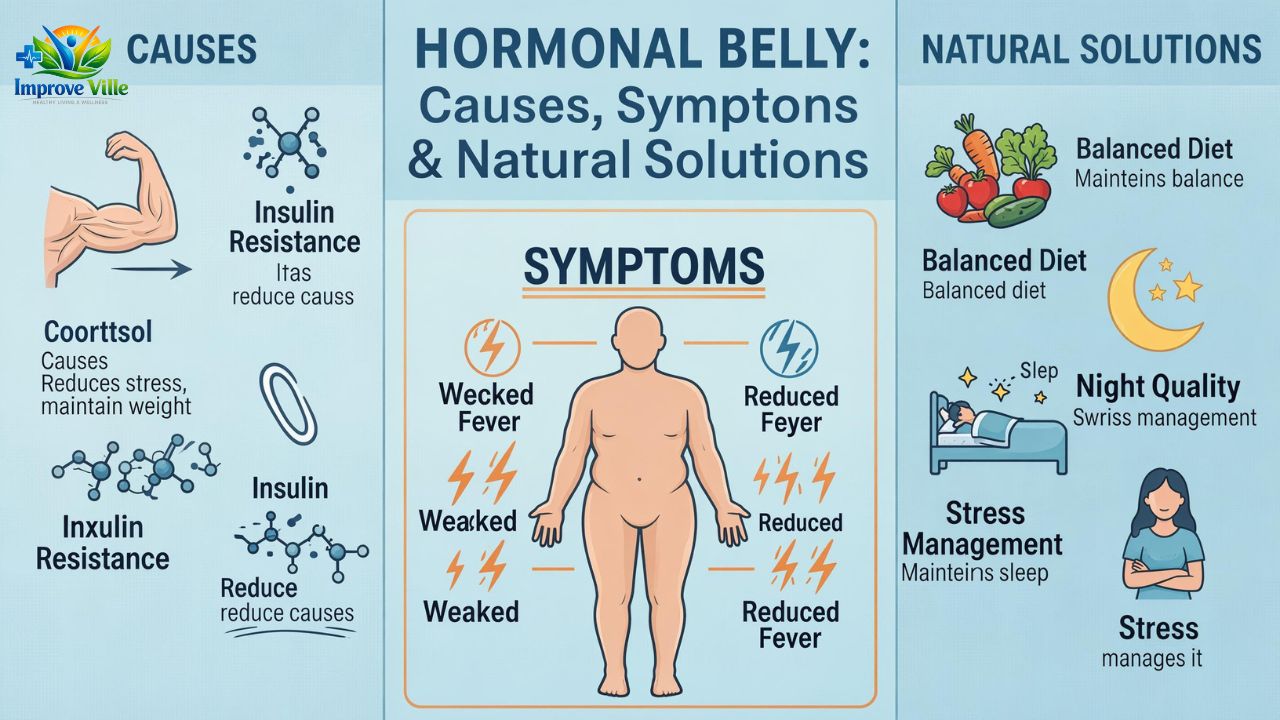
Regular movement is essential for hormone regulation and overall metabolic health. <img src=”https://images.unsplash.com/photo-1512621776951-a57141f2eefd” alt=”Infographic showing hormones linked to abdominal fat and wellness” />
Highly Processed Diets
Foods high in sugar, refined carbohydrates, and unhealthy fats may trigger inflammation and blood sugar spikes.
Common dietary triggers include:
- Sugary drinks
- Fast food
- Ultra-processed snacks
- Excess alcohol
- Refined white bread and pastries
Frequent blood sugar spikes can worsen insulin resistance and encourage abdominal fat storage.
Menopause and Aging
Hormonal changes during aging can naturally alter body composition. Women in menopause often notice more fat accumulating around the waist due to declining estrogen levels.
Muscle mass also tends to decrease with age, reducing metabolic rate.
Medical Conditions Linked to Hormonal Belly
Sometimes abdominal weight gain signals an underlying medical condition.
Polycystic Ovary Syndrome (PCOS)
PCOS affects hormone balance and insulin sensitivity. Women with PCOS often experience:
- Irregular periods
- Acne
- Excess facial hair
- Weight gain around the abdomen
Hypothyroidism
An underactive thyroid slows metabolism and can contribute to fatigue and stubborn weight gain.
Cushing’s Syndrome
This condition involves excessive cortisol production and can cause rapid abdominal fat accumulation, muscle weakness, and skin changes.
Metabolic Syndrome
Metabolic syndrome is a cluster of conditions including:
- High blood sugar
- High blood pressure
- Increased waist circumference
- Abnormal cholesterol levels
Together, these factors raise the risk of cardiovascular disease.
How to Reduce Hormonal Belly Naturally
There’s no single magic solution, but consistent lifestyle changes can support hormonal balance and healthy fat loss.
Prioritize Protein and Whole Foods
Protein supports muscle maintenance and helps regulate hunger hormones. Whole foods also reduce inflammation and stabilize blood sugar.
Hormone-Friendly Foods
Focus on:
- Lean protein
- Eggs
- Fish
- Vegetables
- Berries
- Nuts and seeds
- Whole grains
- Healthy fats like avocado and olive oil
Reducing ultra-processed foods can significantly improve hormonal function over time.
Improve Sleep Habits
Better sleep may help regulate cortisol, insulin, and appetite hormones.
Healthy Sleep Practices
Try to:
- Maintain a consistent bedtime
- Avoid screens before sleep
- Limit caffeine late in the day
- Keep the bedroom cool and dark
- Aim for 7–9 hours of sleep nightly
Even small sleep improvements can positively affect weight management.
Manage Stress Effectively
Stress reduction is one of the most overlooked aspects of hormonal health.
Stress-Relief Techniques
Helpful strategies include:
- Deep breathing exercises
- Meditation
- Walking outdoors
- Journaling
- Yoga
- Spending time with supportive people
Consistency matters more than perfection.
Exercise Smartly
Excessive exercise can sometimes increase cortisol, especially when combined with calorie restriction. The goal is balanced movement that supports metabolism without overwhelming the body.
Best Exercises for Hormonal Health
Effective options include:
- Strength training
- Walking
- Pilates
- Swimming
- Cycling
- Moderate cardio
Building muscle can improve insulin sensitivity and increase calorie burning even at rest.
Support Blood Sugar Stability
Keeping blood sugar balanced may reduce insulin spikes and help prevent fat storage.
Simple Blood Sugar Tips
- Eat balanced meals with protein and fiber
- Avoid skipping meals
- Reduce sugary beverages
- Choose complex carbohydrates
- Walk after meals when possible
These habits can gradually improve metabolic health.
Foods That May Worsen Hormonal Belly
Some foods and beverages can contribute to inflammation and hormone disruption.
Common Dietary Triggers
Limit:
- Sugary desserts
- Soda
- Excess alcohol
- Fried foods
- Processed meats
- Highly refined carbohydrates
This doesn’t mean complete restriction forever. Sustainable habits are usually more effective than extreme dieting.
Can Supplements Help?
Some supplements may support hormone balance, although they should not replace medical advice or healthy habits.
Commonly Used Supplements
People often explore:
- Magnesium
- Omega-3 fatty acids
- Vitamin D
- Probiotics
- Ashwagandha
- Berberine
It’s important to consult a healthcare professional before starting supplements, especially if medications or health conditions are involved.
Hormonal Belly in Women
Women often experience hormonal changes during:
- Puberty
- Pregnancy
- Postpartum recovery
- Perimenopause
- Menopause
Fluctuating estrogen and progesterone levels can affect appetite, water retention, and fat distribution.
Why Menopause Changes Belly Fat
Lower estrogen levels may encourage the body to store fat around the abdomen rather than lower body areas. Sleep disturbances and muscle loss during menopause can worsen the issue.
Hormonal Belly in Men
Men can also experience hormonal weight gain, particularly due to:
- Low testosterone
- Chronic stress
- Poor diet
- Alcohol use
- Lack of exercise
Lower testosterone levels may reduce muscle mass and increase fat accumulation around the stomach.
When to See a Doctor
Sometimes lifestyle changes alone aren’t enough. Persistent abdominal weight gain accompanied by other symptoms may require medical evaluation.
Warning Signs to Watch For
Consider seeking medical advice if you experience:
- Rapid unexplained weight gain
- Severe fatigue
- Irregular menstrual cycles
- Hair loss
- Depression
- Persistent bloating
- High blood sugar
- Sleep apnea symptoms
Blood tests may help identify hormone imbalances or metabolic conditions.
Emotional Impact of Hormonal Belly
Weight gain around the abdomen can affect confidence and emotional well-being. Many people feel frustrated when traditional dieting methods fail.
It’s important to remember that hormones are complex. Struggling with weight does not mean someone lacks discipline or motivation.
Approaching health with patience, self-compassion, and realistic expectations often leads to better long-term results than crash diets or punishment-based fitness plans.
Sustainable Habits That Make a Difference
Lasting change usually comes from consistent daily habits rather than quick fixes.
Small Changes With Big Impact
- Drink more water
- Walk daily
- Prioritize protein
- Reduce stress gradually
- Sleep consistently
- Strength train twice weekly
- Spend less time sitting
These simple behaviors can collectively improve hormone balance over time.
FAQ
What causes a hormonal belly?
A hormonal belly is commonly caused by hormone imbalances involving cortisol, insulin, estrogen, or thyroid hormones. Stress, poor sleep, aging, and unhealthy diets may contribute.
Can stress really cause belly fat?
Yes. Chronic stress increases cortisol levels, which may encourage the body to store fat around the abdomen and increase cravings for high-calorie foods.
How long does it take to reduce hormonal belly?
Results vary depending on the underlying cause, lifestyle habits, sleep quality, and consistency. Some people notice improvements within a few weeks, while others may need several months.
Is hormonal belly more common during menopause?
Yes. Hormonal shifts during menopause can change how fat is distributed in the body, often increasing abdominal fat storage.
What foods help reduce hormonal belly?
Whole foods rich in protein, fiber, healthy fats, and antioxidants may support hormonal balance. Vegetables, fish, eggs, nuts, berries, and whole grains are often beneficial.
Does walking help hormonal belly?
Walking can improve insulin sensitivity, reduce stress, and support calorie burning. Daily walking is often helpful for managing abdominal fat.
Can hormonal belly happen even if I exercise?
Yes. Excessive stress, sleep deprivation, poor nutrition, or hormone disorders may still contribute to abdominal fat despite regular exercise.
Should I avoid carbohydrates completely?
No. Complex carbohydrates like oats, quinoa, fruits, and vegetables can support energy and blood sugar stability. Extremely restrictive diets are often difficult to maintain.
Are hormones the only reason for belly fat?
Not always. Genetics, diet, inactivity, aging, and overall calorie intake also influence fat storage. Hormones are one piece of a larger picture.
Can men develop hormonal belly too?
Absolutely. Men may experience abdominal weight gain due to stress, insulin resistance, low testosterone, or unhealthy lifestyle habits.
Conclusion
A hormonal belly can feel frustrating, especially when healthy habits don’t seem to deliver quick results. But understanding the role hormones play in weight gain changes the conversation from blame to awareness. The body responds to stress, sleep, nutrition, movement, and aging in complex ways, and abdominal fat is often a signal that something deeper needs attention.
Instead of chasing extreme diets or unrealistic fitness trends, focusing on sustainable habits can make a meaningful difference. Better sleep, stress management, balanced meals, strength training, and medical support when necessary all contribute to healthier hormones and improved overall well-being.
Progress may take time, but small consistent changes often lead to lasting results.