
Introduction
Dragging yourself through the day on coffee alone can feel like running on fumes. If you’ve been waking up tired, struggling with brain fog, or losing momentum halfway through the afternoon, the best vitamins for energy may help support your body in a more sustainable way.
Energy isn’t just about sleep or caffeine intake. Your body relies on a complex network of nutrients to convert food into fuel, maintain healthy red blood cells, balance hormones, and support brain function. When even one key nutrient is low, fatigue can creep in fast.
The good news is that many energy-related deficiencies are surprisingly common and often manageable through smarter nutrition and targeted supplementation. Understanding which vitamins matter most can help you make informed choices instead of wasting money on trendy products that don’t deliver real results.
Why the best vitamins for energy matter for overall health
Feeling energized is about more than simply staying awake. Your body needs consistent cellular energy to support everything from concentration and mood to metabolism and muscle recovery. Nutrients work behind the scenes to help produce ATP, the molecule your cells use as fuel.
When vitamin levels drop too low, your body may struggle to perform basic functions efficiently. Fatigue, irritability, headaches, poor focus, and weakness are often early warning signs. Long-term deficiencies can affect immunity, heart health, and even mental wellness.
Many people assume exhaustion is just part of modern life, but chronic fatigue shouldn’t be ignored. Stress, restrictive diets, poor sleep, digestive conditions, aging, and certain medications can all interfere with nutrient absorption.
Signs your fatigue may be linked to nutrient deficiencies
Not every tired day points to a vitamin problem, but these symptoms can suggest your body needs extra nutritional support:
- Persistent low energy
- Difficulty concentrating
- Muscle weakness
- Pale skin
- Shortness of breath
- Frequent headaches
- Mood swings
- Poor exercise recovery
- Brittle nails or hair loss
If symptoms are ongoing, it’s wise to speak with a healthcare provider and request blood testing before starting high-dose supplements.
Vitamin B12: Essential for energy production
Vitamin B12 is one of the most important nutrients involved in energy metabolism. It helps your body produce red blood cells and supports nerve function, both of which are critical for maintaining stamina and mental clarity.
People low in B12 often experience exhaustion, dizziness, memory problems, or tingling sensations in the hands and feet. Since B12 is found mainly in animal products, vegetarians and vegans face a higher risk of deficiency.
Best food sources of B12
- Eggs
- Fish
- Dairy products
- Beef liver
- Chicken
- Fortified cereals
Older adults may also absorb less B12 due to changes in stomach acid production. In these cases, supplements or sublingual forms may be beneficial.
Should you take a B12 supplement?
B12 supplements can be especially helpful for:
- Vegans and vegetarians
- Adults over 50
- People with digestive disorders
- Individuals taking metformin or acid reducers
While B12 doesn’t instantly create energy like caffeine, correcting a deficiency can dramatically improve stamina over time.
Iron: A hidden cause of exhaustion
Iron deficiency is one of the leading nutritional causes of fatigue worldwide. Your body uses iron to create hemoglobin, a protein that carries oxygen throughout the bloodstream. Without enough oxygen delivery, you can feel physically drained even after adequate rest.
Women of reproductive age, endurance athletes, vegetarians, and people with digestive conditions are particularly vulnerable to low iron levels.
Symptoms of low iron
- Constant tiredness
- Cold hands and feet
- Rapid heartbeat
- Weakness during workouts
- Pale complexion
- Frequent dizziness
Iron supplements should never be taken blindly, though. Excess iron can be harmful, so testing is essential before supplementation.
Magnesium: The underrated mineral for stamina
Magnesium plays a role in more than 300 biochemical reactions in the body, including energy production, muscle function, and nervous system regulation. Low magnesium can contribute to fatigue, muscle cramps, poor sleep, and anxiety.
Modern diets often fall short in magnesium-rich foods because processed meals dominate many eating habits.
Foods rich in magnesium
- Pumpkin seeds
- Spinach
- Almonds
- Black beans
- Avocados
- Dark chocolate
Magnesium glycinate and magnesium citrate are popular supplemental forms because they are generally well absorbed.
Many people searching for the best vitamins for energy overlook magnesium, even though it supports relaxation and recovery alongside physical performance.
Vitamin D and low-energy symptoms
Vitamin D is commonly associated with bone health, but it also affects mood, immunity, and energy regulation. Low vitamin D levels have been linked to fatigue, especially in people who spend little time outdoors.
Deficiency rates tend to rise during winter months or among individuals who wear extensive sun protection year-round.
How to improve vitamin D levels
- Get moderate sunlight exposure
- Eat fatty fish like salmon
- Include fortified dairy products
- Consider a supplement if levels are low
Blood testing can determine whether supplementation is necessary and what dosage may be appropriate.
CoQ10: Cellular support for lasting energy
Coenzyme Q10, often called CoQ10, is a naturally occurring antioxidant that helps cells generate energy. It is especially concentrated in organs with high energy demands, such as the heart and muscles.
Levels naturally decline with age, and some medications, including statins, may lower CoQ10 further.
Potential benefits of CoQ10
- Improved exercise performance
- Better endurance
- Reduced fatigue
- Support for heart health
- Enhanced cellular function
Research on CoQ10 is still evolving, but many people report noticeable improvements in energy and recovery after consistent use.
The role of B-complex vitamins
B vitamins work together to help convert carbohydrates, fats, and proteins into usable energy. A deficiency in even one B vitamin can affect how efficiently your body functions.
A quality B-complex supplement may include:
- B1 (Thiamine)
- B2 (Riboflavin)
- B3 (Niacin)
- B5 (Pantothenic acid)
- B6
- B7 (Biotin)
- B9 (Folate)
- B12
People under high stress sometimes benefit from B-complex formulas because stress may increase the body’s demand for certain nutrients.
Choosing the best vitamins for energy often means focusing on a balanced combination instead of relying on a single nutrient alone.
How lifestyle affects energy levels
Even the most effective supplements can’t fully compensate for unhealthy habits. Nutrition works best when paired with a healthy lifestyle that supports recovery and energy production.
Habits that naturally improve energy
Prioritize quality sleep
Adults generally need seven to nine hours of restorative sleep per night. Poor sleep reduces focus, endurance, and hormone balance.
Stay hydrated
Mild dehydration can quickly cause fatigue and headaches. Water plays a critical role in circulation and cellular function.
Move regularly
Exercise improves circulation, oxygen delivery, and mitochondrial health, all of which support sustainable energy.
Reduce ultra-processed foods
Highly processed meals may cause energy crashes due to rapid blood sugar spikes and dips.
People who combine healthy habits with the best vitamins for energy often notice more stable stamina throughout the day.
How to choose the best vitamins for energy
The supplement industry is crowded with flashy claims, but quality matters. Some products contain unnecessary fillers, low-quality ingredients, or ineffective doses.
What to look for in a supplement
- Third-party testing
- Transparent ingredient lists
- Clinically supported dosages
- Minimal artificial additives
- Bioavailable nutrient forms
Avoid mega-dosing without guidance
More isn’t always better. High doses of certain vitamins can cause side effects or interact with medications. Personalized guidance from a healthcare professional is the safest approach.
Consider your personal needs
Your age, diet, activity level, medical history, and lifestyle all influence which nutrients may help most. A marathon runner has very different nutritional needs than someone recovering from chronic stress or poor sleep.
Finding the best vitamins for energy starts with understanding your body instead of following social media trends.
Natural foods vs supplements
Whole foods should always form the foundation of an energy-supportive diet. Nutrient-rich meals provide fiber, antioxidants, and phytonutrients that supplements alone can’t fully replicate.
However, supplements can still play a valuable role when:
- Deficiencies are confirmed
- Dietary restrictions exist
- Absorption problems occur
- Increased nutritional demands are present
The ideal strategy often combines healthy eating with targeted supplementation where appropriate.
Common mistakes people make with energy supplements
Expecting instant results
Most vitamins support long-term biological processes rather than delivering a sudden stimulant effect.
Ignoring underlying health issues
Fatigue can stem from thyroid disorders, sleep apnea, anemia, depression, or chronic illness. Supplements aren’t a substitute for proper medical evaluation.
Taking supplements inconsistently
Nutrients usually require regular use over weeks or months before noticeable benefits appear.
Using supplements instead of healthy habits
No supplement can fully overcome chronic sleep deprivation, poor nutrition, or excessive stress.
Understanding these factors helps people choose the best vitamins for energy more realistically and effectively.
Best dietary patterns for sustained energy
Beyond individual nutrients, overall eating patterns matter greatly for daily stamina.
Mediterranean-style eating
This approach emphasizes:
- Vegetables
- Fruits
- Whole grains
- Olive oil
- Fish
- Nuts
- Lean proteins
Research consistently links this style of eating to better cardiovascular health, improved energy, and reduced inflammation.
Balanced blood sugar support
Meals that combine protein, healthy fats, and fiber may help prevent the crashes associated with sugary snacks and refined carbohydrates.
FAQs
What are the best vitamins for energy and fatigue?
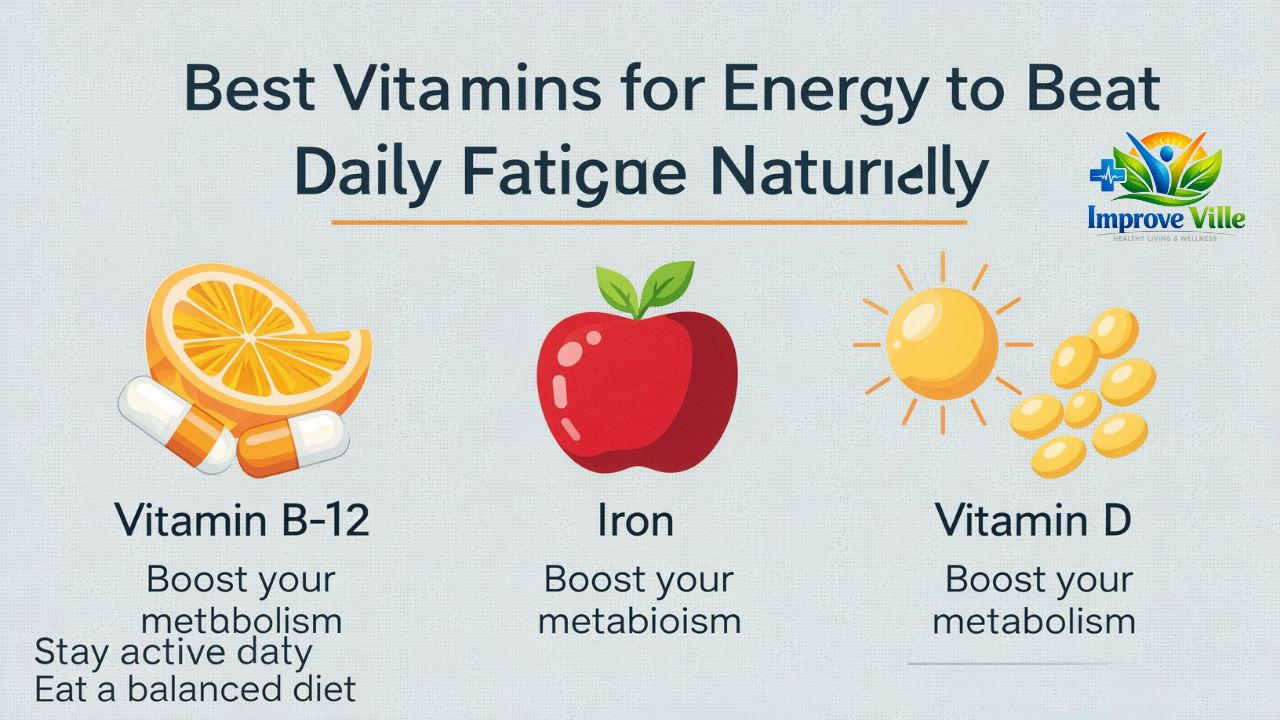
Vitamin B12, iron, magnesium, vitamin D, and B-complex vitamins are among the most commonly recommended nutrients for supporting energy levels and reducing fatigue.
How long do vitamins take to improve energy?
Results vary depending on the deficiency and individual health status. Some people notice changes within weeks, while others may need several months of consistent use.
Can vitamins replace caffeine?
Vitamins don’t work like stimulants. Instead of creating a temporary boost, they support the body’s natural energy production systems over time.
Is it safe to take energy supplements every day?
Many supplements are safe when used appropriately, but daily use should align with recommended dosages and individual health needs.
Which vitamin deficiency causes the most fatigue?
Iron deficiency and vitamin B12 deficiency are two of the most common nutrient-related causes of persistent tiredness.
Are gummies as effective as capsules?
Some gummy vitamins can be effective, but they may contain added sugars and lower nutrient concentrations compared to capsules or tablets.
Can dehydration make vitamins less effective?
Yes. Hydration affects nutrient transport and cellular function, making water intake important for overall wellness and energy support.
Should athletes take extra vitamins for energy?
Athletes may have higher nutritional demands due to intense training, but supplementation should ideally be guided by testing and professional advice.
Conclusion
Low energy can affect every part of daily life, from productivity and workouts to mood and motivation. While there’s no magic pill for instant vitality, addressing nutritional gaps can make a meaningful difference over time.
The most effective approach combines balanced nutrition, quality sleep, movement, stress management, and carefully selected supplements tailored to your needs. Whether you’re dealing with occasional sluggishness or ongoing fatigue, understanding the best vitamins for energy gives you a smarter starting point for supporting long-term wellness and stamina.