
Introduction
One day, you can eat pizza, sip a latte, or enjoy a bowl of ice cream without a second thought. Then suddenly, your stomach starts acting like dairy is the enemy. If you’ve found yourself wondering, why am i suddenly lactose intolerant, you’re definitely not alone.
It can feel confusing, even a little unfair, when foods you used to love start causing bloating, cramps, gas, or urgent bathroom trips. The truth is, lactose intolerance can show up later in life, and sometimes it seems to happen out of nowhere.
This matters because digestive symptoms are easy to dismiss until they start affecting your meals, social life, energy, and confidence. The good news? Sudden dairy trouble does not always mean you have to give up every creamy, cheesy, comforting food forever.
In this guide, we’ll break down what may be happening in your gut, why lactose intolerance can appear suddenly, how to tell it apart from other problems, and what you can do to feel better without making your diet miserable.
What Lactose Intolerance Actually Means
Lactose intolerance happens when your body has trouble digesting lactose, the natural sugar found in milk and many dairy products. To digest lactose properly, your small intestine needs an enzyme called lactase.
Lactase breaks lactose down into simpler sugars that your body can absorb. When you do not make enough lactase, lactose travels undigested into your colon. There, gut bacteria ferment it, which can lead to gas, bloating, cramps, diarrhea, nausea, and noisy stomach rumbling.
That fermentation process is why symptoms often feel so dramatic. It is not “all in your head,” and it is not necessarily because you ate something spoiled. Your gut may simply be struggling to process a sugar it once handled better.
Lactose Intolerance Is Not the Same as a Milk Allergy
This is an important distinction. Lactose intolerance is a digestive issue. A milk allergy is an immune system reaction to milk proteins.
With lactose intolerance, symptoms usually involve the gut: bloating, gas, diarrhea, cramps, nausea, and abdominal discomfort. With a milk allergy, symptoms may include hives, swelling, wheezing, vomiting, or in severe cases, anaphylaxis.
If you have trouble breathing, swelling of the lips or throat, widespread hives, or a severe reaction after dairy, treat it as urgent and seek medical help. That is not typical lactose intolerance.
Why Am I Suddenly Lactose Intolerant?
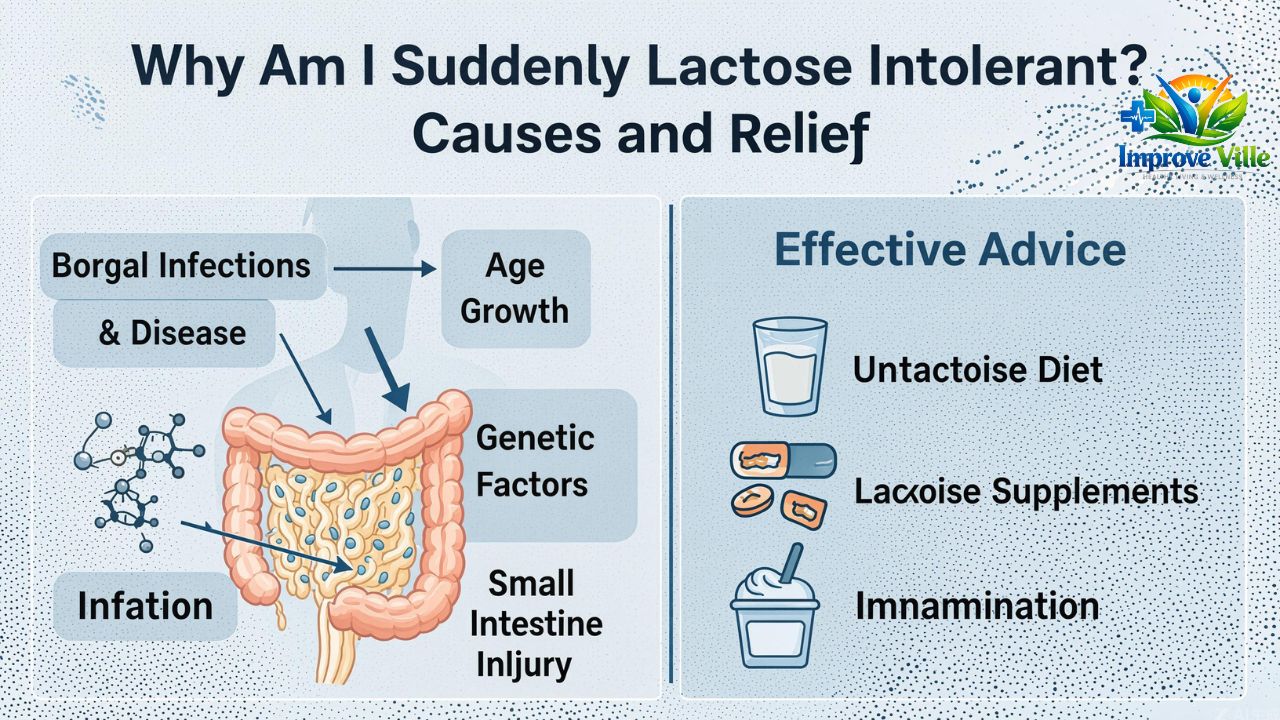
The simplest answer is that your body may be making less lactase than it used to, or your small intestine may be temporarily irritated and unable to digest lactose well. This can happen with age, after a stomach infection, because of another digestive condition, after certain treatments, or following changes in your gut microbiome.
For many people, lactose tolerance is not an on-off switch. It is more like a sliding scale. You might tolerate a little cheese but not a milkshake. You might be fine with yogurt but not regular milk. You might have symptoms only when you eat dairy on an empty stomach or in large amounts.
That is why the change can feel sudden. Your lactase level may have been declining slowly for years, but you only notice once it drops below your personal comfort threshold.
Your Lactase Levels Can Decline With Age
Many people produce plenty of lactase as babies and young children because milk is a major food source early in life. As people grow older, lactase production often decreases.
This does not happen to everyone at the same rate. Genetics plays a big role. Some people continue digesting lactose easily throughout adulthood, while others gradually lose that ability during adolescence or adulthood.
You may not notice the decline right away. Maybe you used to drink milk daily, then switched to coffee, tea, or plant-based drinks for a while. Later, when you return to bigger servings of dairy, symptoms seem to appear “suddenly,” even though your tolerance may have been changing quietly in the background.
A Stomach Bug Can Trigger Temporary Lactose Intolerance
A bout of gastroenteritis, food poisoning, or another infection can irritate the lining of your small intestine. Since lactase is made in the small intestine, inflammation or damage there can temporarily reduce lactase activity.
This is one of the most common reasons someone may ask, why am i suddenly lactose intolerant after years of being fine with dairy. If your symptoms began after vomiting, diarrhea, fever, or a stomach infection, your gut may simply need time to recover.
In some cases, dairy tolerance improves once the intestinal lining heals. That recovery can take days, weeks, or longer depending on the severity of the illness and your overall health.
![Infographic: How lactose moves through the digestive system when lactase levels are low]
Digestive Conditions Can Reduce Lactose Tolerance
Sometimes lactose intolerance appears because another condition is affecting the small intestine. Conditions such as celiac disease, Crohn’s disease, small intestinal bacterial overgrowth, and other inflammatory or malabsorption disorders can interfere with digestion.
This is called secondary lactose intolerance. In other words, lactose is not necessarily the root problem. It may be a clue that your gut is inflamed, irritated, or not absorbing nutrients properly.
If lactose intolerance appears alongside weight loss, ongoing diarrhea, blood in the stool, anemia, fever, severe pain, or symptoms that wake you at night, it is worth getting checked by a healthcare professional.
Antibiotics or Gut Microbiome Changes May Play a Role
Your gut microbiome is the community of bacteria and other microorganisms living in your digestive tract. These microbes help break down certain foods and influence how your gut responds to what you eat.
After antibiotics, illness, major diet changes, high stress, or travel, some people notice new digestive sensitivities. Dairy may become harder to tolerate, not always because lactase has permanently disappeared, but because the gut environment has changed.
This does not mean antibiotics “cause” lactose intolerance in every case. But if your symptoms began after a major disruption, it may be part of the story.
Surgery, Cancer Treatment, or Intestinal Injury Can Matter
Anything that affects the small intestine can affect lactase production. Certain surgeries, radiation therapy involving the abdomen, chemotherapy, or intestinal injury may reduce lactose digestion.
If you have recently had medical treatment and now react badly to dairy, talk with your clinician. Dietary changes may help, but it is also important to make sure your symptoms are not part of a broader recovery issue.
Common Symptoms of Lactose Intolerance
Lactose intolerance symptoms usually appear after eating or drinking foods that contain lactose. For many people, symptoms begin within 30 minutes to a few hours.
Common symptoms include:
- Bloating
- Gas
- Abdominal cramps
- Diarrhea
- Nausea
- Stomach rumbling
- Urgent need to use the bathroom
- A heavy or uncomfortable feeling after dairy
Symptoms can be mild or intense depending on how much lactose you consumed, your lactase level, what else you ate, and how sensitive your gut is that day.
Why Symptoms Can Vary So Much
One confusing part of lactose intolerance is that the same food may not cause the same reaction every time. You might eat cheese one day and feel fine, then have cereal with milk the next morning and feel awful.
Several factors can change your reaction:
- Portion size
- Type of dairy
- Whether you ate dairy with other food
- Your gut health that week
- Stress levels
- Sleep quality
- Hormonal changes
- Recent illness
- How quickly food moves through your digestive system
Milk and ice cream often cause more symptoms because they can contain more lactose per serving. Hard cheeses usually contain less lactose, and yogurt may be easier for some people because its live cultures can help break down lactose.
Foods That Commonly Trigger Symptoms
When people think of lactose, they usually think of milk. But lactose can show up in more places than expected.
Common lactose-containing foods include:
- Cow’s milk
- Goat’s milk
- Ice cream
- Cream
- Soft cheeses
- Ricotta cheese
- Cottage cheese
- Cream cheese
- Milk chocolate
- Custards and puddings
- Cream soups
- Some sauces and salad dressings
- Whey-containing products
- Some protein powders
- Some processed foods
Not all dairy has the same lactose level. Butter and hard cheeses are often lower in lactose. Lactose-free milk is still real milk, but the lactose has already been broken down, making it easier to digest for many people.
Could It Be Something Else?
Not every bad reaction to dairy is lactose intolerance. This is where it helps to pay attention to patterns.
If symptoms happen mainly after milk, ice cream, or soft dairy, lactose intolerance is possible. But if you react to all kinds of foods, have pain unrelated to meals, experience constipation more than diarrhea, or feel sick after non-dairy foods too, something else may be going on.
Dairy Sensitivity vs. Lactose Intolerance
Some people feel worse after dairy even when lactose is not the issue. They may be sensitive to milk proteins, high-fat foods, additives, or the overall richness of certain meals.
For example, pizza can cause symptoms because of lactose, but also because it is high in fat, salty, greasy, and often eaten in large portions. A creamy pasta dish may upset your stomach because of cream, butter, garlic, onion, or fat content.
That is why a food diary can be surprisingly helpful. Write down what you ate, how much, when symptoms started, and how long they lasted. Patterns often become clearer after a week or two.
IBS Can Mimic Lactose Intolerance
Irritable bowel syndrome can make your gut more sensitive to many foods, including dairy. People with IBS may react to lactose, but they may also react to other carbohydrates known as FODMAPs, such as those found in wheat, onions, garlic, beans, apples, and some sweeteners.
If you have alternating diarrhea and constipation, pain relieved by bowel movements, or symptoms that flare with stress, IBS may be part of the picture.
Celiac Disease Can Look Similar
Celiac disease is an autoimmune condition triggered by gluten. It can damage the small intestine, which may reduce lactase production and create lactose intolerance symptoms.
Some people with untreated celiac disease become temporarily lactose intolerant because the intestinal lining is inflamed. Once celiac disease is diagnosed and treated with a strict gluten-free diet, lactose tolerance may improve in some cases.
Do not start a gluten-free diet before testing if you suspect celiac disease. Removing gluten too early can affect test accuracy.
How to Figure Out If Lactose Is the Problem
You do not have to guess forever. There are practical ways to narrow it down.
Try a Short Lactose Break
One common approach is to avoid lactose-containing foods for about one to two weeks and see whether symptoms improve. Then you can reintroduce lactose and watch what happens.
If symptoms improve during the break and return when lactose comes back, that is a strong clue. It is not a perfect diagnosis, but it is useful information to bring to a healthcare professional.
Do not remove major food groups long-term without a plan. Dairy can provide calcium, vitamin D, protein, iodine, phosphorus, and other nutrients. If you cut back, replace those nutrients intentionally.
Consider a Hydrogen Breath Test
A hydrogen breath test is a common medical test for lactose malabsorption. You drink a lactose-containing liquid, then breathe into a device at timed intervals. Higher hydrogen levels can suggest that lactose is not being properly digested and is being fermented by bacteria in the colon.
This test can be helpful if your symptoms are confusing, severe, or affecting your quality of life.
Ask About Other Testing When Symptoms Are Unusual
A clinician may consider additional testing if your symptoms do not fit simple lactose intolerance. Depending on your situation, that might include evaluation for celiac disease, inflammatory bowel disease, infections, anemia, thyroid issues, or other digestive conditions.
This is especially important if your symptoms started suddenly and are persistent.
How to Manage Lactose Intolerance Without Feeling Deprived
The goal is not always to eliminate every trace of dairy. Many people with lactose intolerance can still enjoy some dairy with the right strategy.
Start With Portion Control
Instead of drinking a full glass of milk, try a smaller amount with a meal. Some people tolerate small servings better because the lactose load is lower and digestion is slower.
You might find that you can handle:
- A splash of milk in coffee
- A small serving of yogurt
- A slice of hard cheese
- Lactose-free milk
- Dairy eaten with a full meal
- Smaller portions spread throughout the day
Your personal threshold matters more than a generic rule.
Choose Lower-Lactose Dairy
Some dairy foods naturally contain less lactose than others. Hard cheeses such as cheddar, Swiss, parmesan, and aged gouda are often easier to tolerate. Greek yogurt may also be tolerated better by some people, especially if it contains live active cultures.
Lactose-free milk, lactose-free yogurt, and lactose-free cottage cheese can be useful if you want the taste and nutrients of dairy without the same digestive consequences.
Use Lactase Supplements
Lactase enzyme tablets or drops can help some people digest lactose. These are usually taken right before eating lactose-containing foods.
They do not work perfectly for everyone, and the effect can depend on timing, dose, and how much lactose you eat. Still, they can be a practical option for eating out, traveling, or enjoying occasional dairy.
Protect Your Calcium and Vitamin D Intake
If you reduce dairy, pay attention to calcium and vitamin D. These nutrients matter for bone health, muscle function, and overall wellness.
Non-dairy sources may include:
- Fortified plant milks
- Fortified orange juice
- Calcium-set tofu
- Canned salmon or sardines with bones
- Kale
- Bok choy
- Collard greens
- Almonds
- Sesame or tahini
- Fortified cereals
Vitamin D can be harder to get from food alone, so some people need supplements. A healthcare professional can help you decide what is appropriate.
What to Do After a Dairy Flare-Up
When symptoms hit, it can be miserable. While you cannot instantly undo lactose fermentation, you can support your body while it passes.
Helpful steps may include:
- Drink water, especially if you have diarrhea
- Eat simple, gentle foods for a while
- Avoid more dairy until symptoms settle
- Use a warm compress for cramps
- Take a short walk if gas is uncomfortable
- Avoid very greasy or spicy meals during the flare
- Rest if you feel drained
Over-the-counter anti-gas products may help some people, but they do not solve lactase deficiency. If diarrhea is severe, prolonged, or accompanied by fever or blood, seek medical advice.
When to See a Doctor
Occasional bloating after ice cream is one thing. New, intense, or persistent digestive symptoms deserve more attention.
Make an appointment if you have:
- Symptoms that started suddenly and keep returning
- Diarrhea lasting more than a few days
- Unexplained weight loss
- Blood in your stool
- Fever
- Vomiting that does not stop
- Severe abdominal pain
- Signs of dehydration
- Symptoms that wake you from sleep
- A family history of celiac disease, inflammatory bowel disease, or colon cancer
You should also seek guidance if you are pregnant, elderly, immunocompromised, managing a chronic illness, or trying to restrict dairy for a child.
Can Sudden Lactose Intolerance Go Away?
Sometimes, yes. If lactose intolerance is secondary to a stomach infection, intestinal inflammation, or another treatable condition, your tolerance may improve as your gut heals.
If it is due to the natural age-related decline in lactase, it may not fully reverse. But even then, symptoms can often be managed well with portion control, lactose-free products, lactase supplements, and smart food choices.
This is why the question why am i suddenly lactose intolerant does not have one universal answer. For one person, it may be temporary after a stomach bug. For another, it may be a genetic tendency finally showing up in adulthood. For someone else, it may be a clue to another digestive condition.
How to Reintroduce Dairy Carefully
If you have taken a break from lactose and want to test your tolerance, go slowly. Choose one dairy food at a time and keep portions small.
A gentle reintroduction plan might look like this:
- Start with lactose-free milk or yogurt.
- Try a small amount of hard cheese.
- Test a few spoonfuls of regular yogurt.
- Try a small amount of milk with a meal.
- Increase only if symptoms stay mild or absent.
Avoid testing several dairy foods at once. If you eat pizza, ice cream, and a latte on the same day, you will not know which amount pushed you over your limit.
Living With Lactose Intolerance in Real Life
Food is not just nutrition. It is comfort, culture, routine, family, celebration, and convenience. So when dairy suddenly becomes complicated, it can feel frustrating.
The practical approach is to build a flexible toolkit. Keep lactose-free milk at home. Learn which cheeses you tolerate. Carry lactase tablets if they help. Check labels when symptoms are unpredictable. Choose restaurants where you can ask simple questions without feeling awkward.
You do not have to explain your digestion to everyone. A simple “Dairy has been bothering my stomach lately” is enough.
And remember: lactose intolerance is common. It is manageable. It does not mean your body is broken. It means your digestion is giving you information, and you can use that information to make eating feel safe again.
FAQ
Why did I become lactose intolerant all of a sudden?
You may have become lactose intolerant because your lactase levels declined with age, your gut was irritated after an infection, or another digestive issue affected your small intestine. Sometimes the change feels sudden even though lactase production has been decreasing gradually.
Can stress cause lactose intolerance?
Stress does not directly remove lactase from your small intestine, but it can make your gut more sensitive. If you already have mild lactose malabsorption, stress may make symptoms feel stronger or more noticeable.
How long do lactose intolerance symptoms last?
Symptoms can last a few hours, but some people feel uncomfortable for a day or longer depending on how much lactose they consumed, their tolerance level, and how quickly their digestive system moves.
Can I still eat cheese if I am lactose intolerant?
Many people can tolerate small amounts of hard or aged cheese because it usually contains less lactose than milk or soft cheeses. Cheddar, parmesan, Swiss, and aged gouda may be easier choices, but tolerance varies.
Is lactose-free milk better than plant-based milk?
Lactose-free milk is regular milk with lactose already broken down, so it keeps many of milk’s natural nutrients. Plant-based milk can also be a good option, especially if it is fortified with calcium and vitamin D. The better choice depends on your taste, nutrition needs, and tolerance.
What happens if I keep eating dairy while lactose intolerant?
For most people, lactose intolerance is uncomfortable but not dangerous. You may continue to have bloating, gas, cramps, and diarrhea if you eat more lactose than your body can handle. Repeated diarrhea can also increase the risk of dehydration or make it harder to maintain balanced nutrition.
Can probiotics help lactose intolerance?
Some people find that yogurt with live cultures or certain probiotics help them tolerate dairy better. Results vary, and probiotics do not replace lactase. If you try them, introduce one product at a time so you can judge your response.
Should I cut out all dairy immediately?
Not always. Many people with lactose intolerance can handle small amounts or lower-lactose dairy. A short lactose break can help you identify patterns, but long-term restriction should include a plan for calcium, vitamin D, and protein.
When should I worry that it is not lactose intolerance?
Get medical advice if you have blood in your stool, unexplained weight loss, fever, severe pain, persistent vomiting, ongoing diarrhea, symptoms at night, or signs of dehydration. These are not typical signs of simple lactose intolerance.
Conclusion
If you’re asking why am i suddenly lactose intolerant, your body may be reacting to lower lactase levels, a recent gut infection, changes in your microbiome, or another digestive issue that deserves attention. The shift can feel abrupt, but it is often explainable.
Start by noticing patterns, reducing lactose briefly, and reintroducing foods carefully. Try lower-lactose choices, lactose-free products, and lactase supplements if they work for you. Most importantly, do not ignore red flags or persistent symptoms.
Dairy discomfort can be annoying, but it does not have to control your life. With a little detective work and the right adjustments, you can usually find a way to eat comfortably again.