
Introduction
Feeling dizzy when you stand up too quickly may seem harmless, but sometimes it’s your body signaling a deeper issue. Many women wonder, what is a dangerous low blood pressure for a woman, especially when symptoms like fainting, blurred vision, or weakness become frequent.
Low blood pressure, also called hypotension, is often overlooked because high blood pressure gets more attention. But blood pressure that drops too low can reduce oxygen flow to vital organs and lead to serious complications if ignored.
For some women, naturally low blood pressure causes no problems at all. Others may experience exhaustion, confusion, cold skin, nausea, or even shock in severe cases. Understanding the difference between normal low readings and dangerous hypotension can help you recognize when it’s time to seek medical care.
In this guide, you’ll learn what blood pressure numbers are considered unsafe, the common causes in women, symptoms you should never ignore, and practical ways to protect your health.


6
Understanding Blood Pressure Readings
Blood pressure measures the force of blood pushing against artery walls. It’s recorded using two numbers:
- Systolic pressure: the top number showing pressure during heartbeats
- Diastolic pressure: the bottom number showing pressure between beats
A normal blood pressure reading is usually around:
- 120/80 mmHg
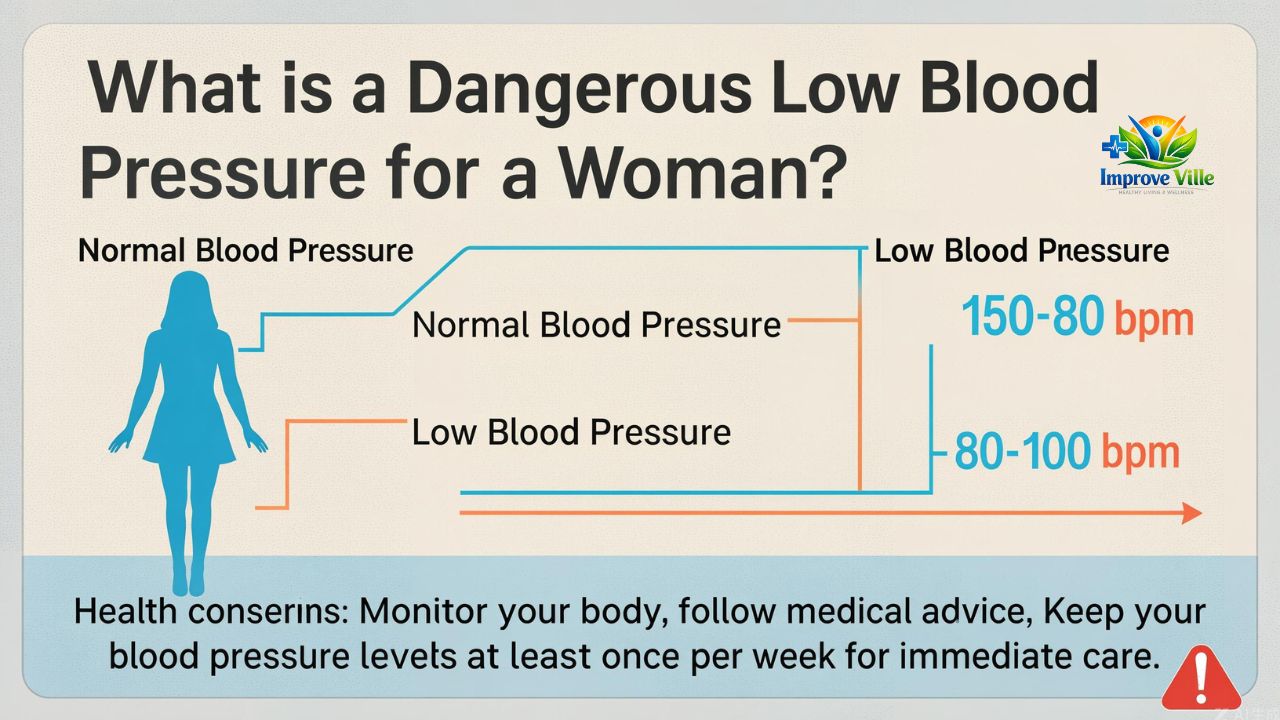
Low blood pressure is generally considered:
- Below 90/60 mmHg
However, not every low reading is dangerous. Some women naturally have lower blood pressure without symptoms. Athletes, younger women, and people with healthy cardiovascular systems often fall into this category.
The concern begins when low blood pressure causes noticeable symptoms or affects organ function.
Why Women May Experience Low Blood Pressure More Often
Hormonal changes, pregnancy, menstruation, and smaller body size can make women more vulnerable to drops in blood pressure. Certain medications, dieting habits, dehydration, and anemia also contribute.
Women may experience hypotension during:
- Pregnancy
- Heavy menstrual cycles
- Menopause
- Long periods without eating
- Extreme stress or exhaustion
What Is Considered Dangerously Low?
Doctors typically become concerned when blood pressure falls low enough to impair circulation to the brain, heart, or kidneys.
In many cases, a reading below:
- 90/60 mmHg is low
- 80/50 mmHg or lower may become dangerous
- 70/40 mmHg or lower is often considered a medical emergency
Still, the numbers alone do not tell the full story. Symptoms matter just as much.
A woman with a reading of 88/58 may feel completely normal, while another person with 95/60 could faint regularly.
Symptoms That Suggest Danger
Dangerous hypotension often comes with warning signs such as:
- Severe dizziness
- Fainting
- Rapid breathing
- Weak or rapid pulse
- Confusion
- Pale or blue skin
- Chest pain
- Extreme fatigue
- Blurred vision
- Cold, clammy skin
These symptoms may indicate that the body and brain are not receiving enough oxygen-rich blood.
When Low Blood Pressure Becomes an Emergency
A sudden drop in blood pressure is often more dangerous than chronically low readings. Severe hypotension can lead to shock, organ damage, or collapse.
Seek emergency care immediately if low blood pressure occurs with:
- Difficulty breathing
- Chest pain
- Loss of consciousness
- Severe bleeding
- Signs of stroke
- Seizures
- High fever and infection symptoms
Common Causes of Low Blood Pressure in Women
Many conditions can trigger hypotension. Some are temporary and harmless, while others require urgent treatment.
Dehydration
Not drinking enough fluids is one of the most common causes. Excessive sweating, vomiting, diarrhea, or heat exposure can quickly lower blood volume.
Signs include:
- Dry mouth
- Dark urine
- Weakness
- Headaches
- Lightheadedness
Nutritional Deficiencies
Low iron, vitamin B12, and folate levels can reduce red blood cell production and contribute to low blood pressure.
Women with heavy periods are particularly at risk for anemia-related hypotension.


6
Pregnancy
During pregnancy, blood vessels expand to support the baby’s growth. This naturally lowers blood pressure, especially in the first and second trimesters.
While mild drops are common, severe dizziness or fainting should never be ignored.
Heart Problems
Certain heart conditions reduce the heart’s ability to pump blood effectively, including:
- Slow heart rate
- Heart valve disease
- Heart failure
- Heart attack
These conditions may cause dangerously low blood pressure.
Endocrine Disorders
Hormonal imbalances can interfere with blood pressure regulation.
Examples include:
- Thyroid disorders
- Diabetes
- Addison’s disease
- Low blood sugar
Medications
Some medications may lower blood pressure too much, including:
- Diuretics
- Antidepressants
- Blood pressure medications
- Sedatives
- Pain medications
Women taking multiple medications may face higher risks.
Types of Low Blood Pressure
Not all hypotension is the same. Understanding the different types helps explain why symptoms occur.
Orthostatic Hypotension
This happens when blood pressure drops suddenly after standing up.
Common symptoms include:
- Dizziness
- Blurred vision
- Fainting
- Weakness
It often affects older women but can happen at any age.
Postprandial Hypotension
Some women experience low blood pressure after eating, especially large meals.
Blood shifts toward digestion, reducing circulation elsewhere.
Neurally Mediated Hypotension
This type usually affects younger women and occurs after standing for long periods or during emotional stress.
Severe Hypotension Linked to Shock
This is the most dangerous form and requires immediate emergency treatment.
Shock can result from:
- Infection
- Severe allergic reactions
- Trauma
- Internal bleeding
- Heart failure
How Doctors Diagnose Dangerous Hypotension
Doctors look beyond blood pressure numbers and evaluate overall symptoms, medical history, and physical condition.
Testing may include:
- Blood pressure monitoring
- Blood tests
- Electrocardiogram (ECG)
- Echocardiogram
- Tilt table testing
- Urine tests
They may also ask about:
- Fainting episodes
- Medication use
- Diet and hydration
- Menstrual cycles
- Pregnancy status
Complications of Untreated Low Blood Pressure
Persistent or severe hypotension can create serious health risks.
Falls and Injuries
Dizziness and fainting increase the chance of dangerous falls, especially in older women.
Organ Damage
When organs do not receive enough blood flow, they may become damaged over time.
This can affect:
- Kidneys
- Brain
- Heart
Cognitive Problems
Chronic low blood pressure may contribute to concentration difficulties, fatigue, and memory issues in some individuals.
Shock
Severe hypotension can progress into shock, a life-threatening condition where organs begin shutting down.
How to Raise Low Blood Pressure Safely
Treatment depends on the underlying cause. Some women only need lifestyle adjustments, while others require medication.
Increase Fluid Intake
Hydration increases blood volume and helps stabilize circulation.
Helpful drinks include:
- Water
- Electrolyte solutions
- Broths
Eat Smaller, Frequent Meals
Large meals can worsen low blood pressure in some women.
Smaller meals may help maintain stable circulation.
Increase Salt Intake Carefully
In some cases, doctors recommend increasing sodium intake.
However, this should only happen under medical supervision, especially for women with heart or kidney conditions.
Stand Up Slowly
Moving slowly from sitting or lying positions helps reduce sudden drops.
Wear Compression Stockings
Compression garments improve circulation and reduce blood pooling in the legs.


6
Review Medications
Doctors may adjust medications contributing to hypotension.
Never stop medications without professional guidance.
Medications for Severe Cases
In chronic or severe cases, doctors may prescribe medications to raise blood pressure.
Examples include:
- Fludrocortisone
- Midodrine
Lifestyle Habits That Help Prevent Dangerous Drops
Healthy daily habits can significantly reduce hypotension symptoms.
Prioritize Balanced Nutrition
A nutrient-rich diet supports healthy blood circulation.
Focus on:
- Lean proteins
- Whole grains
- Fruits and vegetables
- Iron-rich foods
Avoid Excess Alcohol
Alcohol can dehydrate the body and lower blood pressure further.
Exercise Regularly
Gentle physical activity improves circulation and cardiovascular health.
Helpful exercises include:
- Walking
- Swimming
- Yoga
- Cycling
Manage Stress
Stress and anxiety can trigger sudden changes in blood pressure.
Deep breathing, meditation, and adequate sleep may help stabilize symptoms.
Low Blood Pressure in Older Women
Aging changes how the body regulates blood pressure. Older women may become more sensitive to dehydration, medication side effects, and circulation changes.
Symptoms may appear more severe in seniors because the brain becomes less tolerant of reduced blood flow.
Special attention is needed if symptoms include:
- Frequent falls
- Memory confusion
- Sudden weakness
- Blackouts
Low Blood Pressure During Pregnancy
Pregnancy-related hypotension is common, but severe symptoms should always be evaluated.
Why Blood Pressure Drops During Pregnancy
Hormonal changes relax blood vessels, allowing increased blood flow to the baby.
This natural adjustment often lowers maternal blood pressure.
Warning Signs During Pregnancy
Contact a healthcare provider if low blood pressure causes:
- Fainting
- Severe nausea
- Chest pain
- Heavy bleeding
- Shortness of breath
These symptoms may signal complications requiring urgent care.
Mental and Emotional Effects of Chronic Hypotension
Many women underestimate how much low blood pressure affects daily life.
Persistent symptoms can contribute to:
- Anxiety
- Reduced productivity
- Fear of fainting
- Fatigue
- Brain fog
Living with constant dizziness or weakness can make work, parenting, exercise, and social activities more difficult.
Seeking medical evaluation can improve both physical and emotional well-being.
When to Call a Doctor
You should schedule a medical evaluation if low blood pressure repeatedly causes symptoms.
See a healthcare provider if you experience:
- Frequent dizziness
- Recurrent fainting
- Weakness interfering with daily life
- Confusion
- Ongoing nausea
- Irregular heartbeat
Immediate medical attention is necessary if symptoms are severe or sudden.
What Is a Dangerous Low Blood Pressure for a Woman in Different Age Groups?
The answer can vary depending on age, health status, and underlying conditions.
Younger Women
Young healthy women may tolerate lower readings without problems.
However, fainting or recurring dizziness should still be investigated.
Middle-Aged Women
Hormonal shifts, medications, and chronic illnesses may increase risk factors.
Older Women
Older adults face the highest risk of complications because falls and reduced organ circulation become more dangerous.
For elderly women, even moderate hypotension can significantly affect quality of life and safety.
Can Stress and Anxiety Cause Low Blood Pressure?
Yes, emotional stress can influence blood pressure in some women.
While anxiety often raises blood pressure temporarily, certain stress responses may trigger sudden drops, especially in individuals prone to fainting.
Emotional triggers may include:
- Fear
- Pain
- Panic attacks
- Standing too long in crowded places
Relaxation techniques and medical evaluation may help manage symptoms.
Foods That May Help Support Healthy Blood Pressure
Diet can play an important role in preventing hypotension symptoms.
Helpful foods include:
- Eggs
- Spinach
- Lean meats
- Salmon
- Bananas
- Nuts
- Dairy products
- Soups and broths
Women with anemia-related low blood pressure may benefit from iron-rich foods combined with vitamin C for better absorption.
FAQ
What blood pressure is dangerously low for a woman?
Blood pressure below 90/60 mmHg is considered low, but readings near 80/50 mmHg or lower may become dangerous, especially with symptoms like fainting or confusion.
Can low blood pressure cause a stroke?
Severely low blood pressure can reduce blood flow to the brain, though strokes are more commonly linked to high blood pressure. Extreme hypotension still requires urgent attention.
Is 90 over 60 too low for a woman?
Not always. Some women naturally have readings around 90/60 without symptoms. It becomes concerning if dizziness, weakness, or fainting occurs.
Why do I feel dizzy when I stand up?
This may be orthostatic hypotension, where blood pressure suddenly drops upon standing. Dehydration, medications, or circulation issues are common causes.
Can dehydration cause dangerously low blood pressure?
Yes. Severe dehydration reduces blood volume and may lead to dizziness, confusion, shock, or collapse if untreated.
What should I drink for low blood pressure?
Water, electrolyte drinks, and clear broths can help improve hydration and blood circulation.
Can low blood pressure make you tired?
Yes. Reduced blood flow and oxygen delivery may cause fatigue, weakness, and difficulty concentrating.
Is low blood pressure worse than high blood pressure?
Both can be dangerous. High blood pressure often causes long-term damage silently, while severe low blood pressure may create immediate symptoms and emergencies.
Should pregnant women worry about low blood pressure?
Mild drops are common during pregnancy, but severe dizziness, fainting, or bleeding should be evaluated immediately.
How can I quickly raise my blood pressure?
Drinking fluids, lying down with elevated legs, eating a salty snack if approved by a doctor, and resting may help temporarily.
Conclusion
Understanding what is a dangerous low blood pressure for a woman can help you recognize when symptoms are harmless and when they require urgent attention. While some women naturally have lower readings without complications, persistent dizziness, fainting, confusion, or weakness should never be ignored.
The key is paying attention to both the numbers and how your body feels. Severe hypotension can interfere with daily life, increase injury risk, and in extreme cases become life-threatening. Early medical evaluation, healthy lifestyle habits, proper hydration, and managing underlying conditions can make a significant difference.
If you regularly experience symptoms linked to low blood pressure, speaking with a healthcare professional is the safest step toward protecting your long-term health and well-being.