
Introduction
Some days, getting out of bed can feel like dragging a weighted blanket across your entire body. If you’ve ever stopped in the middle of your routine and wondered, why does my body feel heavy, you’re not alone. It’s a surprisingly common sensation that can affect people of all ages and lifestyles.
That heavy feeling can show up in different ways. Your arms may feel sluggish, your legs may seem difficult to move, or your entire body might feel weighed down without any obvious explanation. Sometimes it happens after a long day, but other times it appears out of nowhere and lingers longer than expected.
For many people, this sensation is more than simple tiredness. It can interfere with work, exercise, relationships, and daily responsibilities. Understanding the possible reasons behind it is important because your body is often trying to signal that something needs attention.
Whether the cause is stress, poor sleep, dehydration, illness, or something deeper, identifying the root issue can help you regain your energy and improve your overall well-being.

What Does It Mean When Your Body Feels Heavy?
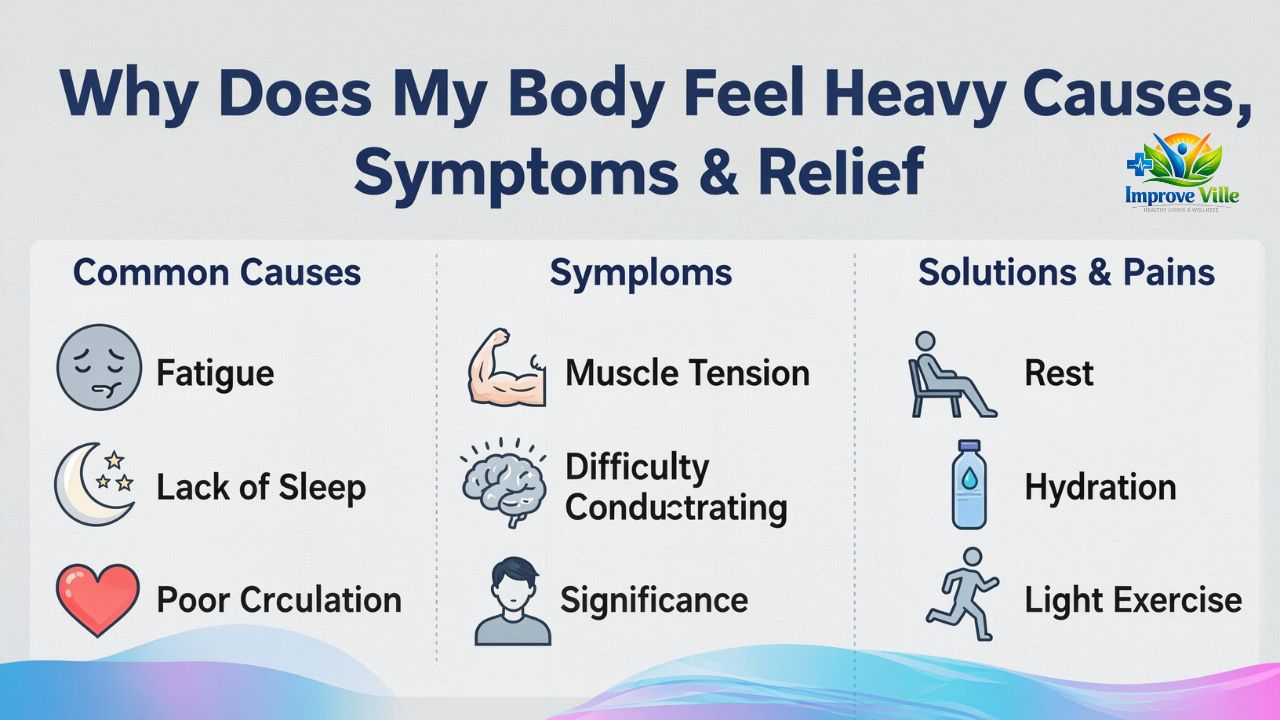
A heavy body sensation usually refers to physical sluggishness, fatigue, or muscle weakness that makes movement feel harder than normal. Some people describe it as feeling “stuck,” “drained,” or like gravity suddenly became stronger.
This sensation may affect:
- The entire body
- Arms and legs
- Muscles and joints
- Mental clarity and concentration
The feeling can be temporary or chronic depending on the underlying cause. In some cases, it’s linked to lifestyle habits. In others, it may point to medical or emotional health concerns.
Common Symptoms That Accompany Body Heaviness
People experiencing this sensation often notice other symptoms alongside it, including:
- Persistent fatigue
- Brain fog
- Muscle soreness
- Weakness
- Dizziness
- Low motivation
- Difficulty concentrating
- Sleepiness during the day
These additional symptoms can provide important clues about what’s happening inside your body.
Sleep Problems and Exhaustion
One of the most common answers to the question why does my body feel heavy is poor-quality sleep. Even if you spend enough hours in bed, your body may not be getting restorative rest.
Sleep Deprivation
When you consistently sleep less than your body needs, your muscles and nervous system struggle to recover properly. Over time, this creates a feeling of physical heaviness and mental exhaustion.
Lack of sleep may also cause:
- Slower reaction times
- Mood swings
- Reduced immunity
- Increased body aches
Sleep Apnea
Sleep apnea is a condition where breathing repeatedly stops during sleep. Many people with sleep apnea wake up feeling drained even after a full night’s rest.
Signs of sleep apnea include:
- Loud snoring
- Morning headaches
- Dry mouth upon waking
- Excessive daytime fatigue
Poor Sleep Habits
Your evening routine matters more than you might think. Heavy meals, caffeine late in the day, screen exposure, and irregular sleep schedules can all reduce sleep quality.
Improving sleep hygiene often helps reduce feelings of heaviness and fatigue within a few weeks.
Stress and Mental Exhaustion
Your mind and body are deeply connected. Emotional strain can create very real physical symptoms.
Chronic Stress
Stress triggers the release of cortisol and adrenaline. While these hormones help in short bursts, constant stress keeps your body in a prolonged state of tension.
Over time, this can lead to:
- Muscle fatigue
- Body aches
- Low energy
- Feeling physically weighed down
People dealing with work pressure, caregiving responsibilities, financial struggles, or emotional trauma often report this sensation.
Anxiety
Anxiety doesn’t only affect thoughts. It also impacts muscles, breathing, and energy levels.
When anxiety becomes chronic, your muscles may remain tense for long periods. This tension can create soreness and heaviness, especially in the legs, shoulders, and chest.
Depression
Depression frequently causes physical fatigue in addition to emotional symptoms. Some people describe it as moving through mud or carrying invisible weight throughout the day.
Common signs include:
- Loss of motivation
- Oversleeping or insomnia
- Reduced appetite
- Persistent tiredness
If emotional symptoms accompany body heaviness, mental health support may be essential.
Dehydration and Poor Nutrition
Your body relies on water and nutrients to function properly. Even mild imbalances can affect energy and muscle performance.
Dehydration
Water helps transport oxygen and nutrients throughout the body. When you’re dehydrated, circulation becomes less efficient, which can make your muscles feel weak and heavy.
Signs of dehydration include:
- Dry mouth
- Dark urine
- Headaches
- Dizziness
- Fatigue
Hot weather, exercise, illness, or simply forgetting to drink enough water can contribute.
Low Iron Levels
Iron deficiency is a common cause of fatigue and weakness, especially in women. Without enough iron, your body struggles to carry oxygen effectively.
Symptoms may include:
- Pale skin
- Shortness of breath
- Cold hands and feet
- Rapid heartbeat
Vitamin Deficiencies
Several nutrient deficiencies can contribute to heaviness and low energy, including:
- Vitamin D deficiency
- Vitamin B12 deficiency
- Magnesium deficiency
- Low potassium levels
A balanced diet and proper medical testing can help identify deficiencies.
Physical Overexertion and Muscle Fatigue
Sometimes the answer is straightforward: your body is exhausted from overuse.
Intense Exercise
Hard workouts can leave muscles temporarily heavy and sore, especially if you’re increasing intensity or starting a new routine.
This happens because muscles develop tiny tears during exercise, which require time to repair.
Overtraining Syndrome
Exercising too often without adequate recovery can lead to overtraining syndrome. Instead of feeling stronger, your body becomes depleted.
Symptoms include:
- Constant fatigue
- Poor athletic performance
- Increased soreness
- Mood changes
- Sleep problems
Rest days are essential for recovery.
Illnesses That Can Make Your Body Feel Heavy
A variety of health conditions can cause persistent heaviness and fatigue.
Viral Infections
Even mild viral infections can drain your energy. The immune system uses a large amount of energy while fighting illness.
COVID-19, the flu, and other infections may cause lingering fatigue long after symptoms improve.
Chronic Fatigue Syndrome
Chronic fatigue syndrome, also called myalgic encephalomyelitis, causes severe exhaustion that doesn’t improve with rest.
People with this condition often experience:
- Extreme tiredness
- Muscle pain
- Sleep disturbances
- Brain fog
Fibromyalgia
Fibromyalgia affects the nervous system and causes widespread pain, fatigue, and muscle heaviness.
Many people with fibromyalgia describe waking up already exhausted.
Thyroid Disorders
An underactive thyroid slows down metabolism, which can create sluggishness and body heaviness.
Additional symptoms may include:
- Weight gain
- Cold sensitivity
- Dry skin
- Hair thinning
Diabetes
Blood sugar imbalances can affect energy production. When glucose isn’t processed properly, fatigue and heaviness may develop.
Uncontrolled diabetes can also damage nerves and circulation over time.
Medication Side Effects
Some medications can contribute to sluggishness and physical heaviness.
Common examples include:
- Antihistamines
- Antidepressants
- Blood pressure medications
- Muscle relaxants
- Sleep aids
If symptoms began after starting a new medication, talk with your healthcare provider before making changes.
Poor Circulation and Cardiovascular Issues
Circulation problems can make your limbs feel tired or weighted down.
Reduced Blood Flow
When muscles don’t receive enough oxygen-rich blood, they may feel weak and fatigued.
Poor circulation can cause:
- Tingling sensations
- Cold extremities
- Swelling
- Leg heaviness
Heart Conditions
In some cases, fatigue and heaviness may relate to cardiovascular problems. The heart must work harder to deliver oxygen throughout the body.
Seek medical attention immediately if heaviness occurs alongside:
- Chest pain
- Shortness of breath
- Fainting
- Severe dizziness
Lifestyle Habits That Drain Your Energy
Daily habits often play a larger role than people realize.
Sedentary Living
Ironically, too little movement can make your body feel heavier. Lack of physical activity weakens muscles and reduces stamina.
Even short walks can improve circulation and energy levels.
Excessive Alcohol Consumption
Alcohol disrupts sleep, dehydrates the body, and affects nervous system function.
Regular drinking may contribute to chronic fatigue and sluggishness.
Too Much Caffeine
While caffeine provides temporary alertness, excessive amounts can eventually worsen fatigue by disrupting sleep and increasing anxiety.
Moderation matters.
When Hormones Affect Energy Levels
Hormonal shifts can strongly influence how energetic or sluggish you feel.
Menstrual Cycle Changes
Many women experience fatigue and heaviness before or during menstruation due to hormone fluctuations and iron loss.
Pregnancy
Pregnancy places enormous demands on the body. Fatigue and muscle heaviness are especially common during the first and third trimesters.
Menopause
Hormonal changes during menopause may disrupt sleep and reduce energy levels.
Hot flashes and nighttime awakenings can worsen exhaustion.
Why Does My Body Feel Heavy in the Morning?
Waking up already tired can feel incredibly frustrating. Several factors may contribute to morning heaviness.
Poor Sleep Quality
Interrupted sleep prevents proper physical recovery.
Sleeping Position
Certain positions can reduce circulation or strain muscles overnight.
Blood Sugar Fluctuations
Skipping meals or eating excessive sugar before bed may affect morning energy levels.
Inflammatory Conditions
Chronic inflammation associated with autoimmune disorders can cause stiffness and heaviness upon waking.
Ways to Feel Lighter and More Energized
The right lifestyle changes can make a noticeable difference.
Improve Sleep Habits
Aim for consistent, high-quality sleep by:
- Keeping a regular bedtime
- Avoiding screens before bed
- Limiting caffeine late in the day
- Creating a dark, cool sleep environment
Stay Hydrated
Drink enough water throughout the day, especially during exercise or hot weather.
Eat Nutrient-Dense Foods
Focus on foods rich in:
- Iron
- Protein
- Healthy fats
- Magnesium
- Vitamin B12
Balanced meals help stabilize energy.
Move Your Body Regularly
Gentle activity improves circulation and muscle strength.
Helpful options include:
- Walking
- Stretching
- Yoga
- Swimming
- Light strength training
Manage Stress
Reducing mental strain can significantly improve physical energy.
Stress-management techniques include:
- Meditation
- Deep breathing
- Journaling
- Therapy
- Spending time outdoors
When to See a Doctor
Occasional fatigue is normal, but persistent body heaviness shouldn’t be ignored.
Seek medical advice if you experience:
- Symptoms lasting several weeks
- Severe weakness
- Unexplained weight loss
- Persistent pain
- Fever
- Chest pain
- Shortness of breath
A healthcare provider may recommend blood tests, sleep evaluations, or other screenings to identify underlying issues.
FAQs
Why does my body feel heavy even after sleeping?
Poor sleep quality, sleep apnea, stress, depression, or underlying medical conditions may prevent your body from fully recovering overnight.
Can anxiety make your body feel heavy?
Yes. Anxiety can create muscle tension, fatigue, and physical exhaustion that lead to a heavy sensation throughout the body.
Is body heaviness a sign of dehydration?
It can be. Dehydration reduces circulation efficiency and muscle performance, often causing fatigue and weakness.
Why do my legs feel heavy and tired?
Heavy legs may result from poor circulation, overexertion, dehydration, muscle fatigue, or prolonged sitting and standing.
Can vitamin deficiencies cause body heaviness?
Yes. Low levels of iron, vitamin D, vitamin B12, and magnesium commonly contribute to fatigue and muscle weakness.
Does depression cause physical heaviness?
Depression can produce very real physical symptoms, including exhaustion, body aches, and sluggish movement.
Why does my body feel heavy during illness?
Your immune system uses significant energy while fighting infections, which can leave muscles feeling weak and drained.
Can lack of exercise make you feel heavier?
Yes. A sedentary lifestyle weakens muscles and reduces stamina, which may increase feelings of sluggishness.
Conclusion
Feeling physically weighed down can be frustrating, confusing, and sometimes alarming. If you’ve been asking yourself, why does my body feel heavy, the answer may involve sleep, stress, nutrition, illness, lifestyle habits, or emotional health. Often, the body sends subtle warning signs long before bigger problems appear.
Paying attention to your symptoms and making supportive lifestyle changes can help restore your energy and improve daily life. And if the sensation continues or worsens, getting medical guidance is one of the best steps you can take toward feeling stronger, healthier, and more like yourself again.